
8 Creative Children’s Bedroom Design Ideas for Modern Indian Homes
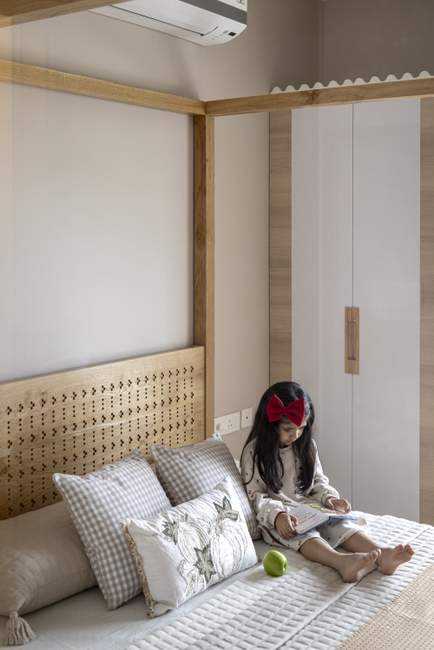
A child’s bedroom is much more than a place to sleep. It is a personal space where children play, learn, read, express themselves and develop their imagination. A thoughtfully designed children’s bedroom should feel comfortable, welcoming and adaptable to a child’s changing needs.
Whether you are planning a colourful kids’ bedroom, a playful themed room or a modern and minimal space, the right combination of colours, furniture, lighting and storage can make a significant difference.
At Ogling Inches Design Architects, we believe that a well-planned children’s room should balance creativity, comfort, functionality and safety. As part of a thoughtfully designed home, the room should reflect your child’s interests while remaining practical for everyday family life.
Here are eight creative children’s bedroom design ideas to help you plan a beautiful and functional room for your child.
1. Embrace Colours to Create a Cheerful Bedroom
Colour plays an important role in shaping the look and feel of a child’s bedroom. Bright colours, soft pastels and playful combinations can help create a lively and personalised space.
Instead of using too many colours throughout the room, choose a balanced palette that complements the furniture and overall interior design.
Some ideas to consider include:
Primary colours: Red, yellow and blue can create a bold and playful look when used in moderation.
Nature-inspired colours: Green, blue and earthy shades work well for children who enjoy nature, drawing or outdoor activities.
Pastel shades: Soft pink, lavender, mint green and powder blue can create a gentle and calming atmosphere.
Theme-based colours: Choose a palette inspired by your child’s favourite animals, sports, space or storybook characters.
A practical approach is to use neutral or soft colours for larger surfaces and introduce brighter shades through cushions, bedding, artwork and accessories. This makes it easier to update the room as your child grows.
2. Create a Creative Chalkboard or Activity Wall
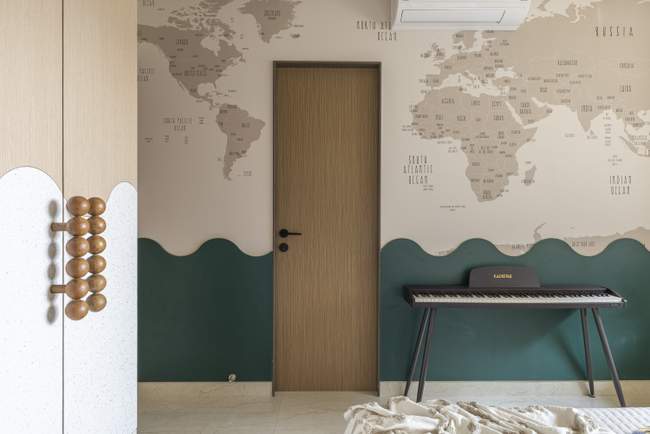
A dedicated creative wall can make a children’s bedroom more interactive and engaging. A chalkboard wall or writable surface gives children a place to draw, practise writing and express their creativity.
You can create a designated section of the wall using suitable chalkboard paint or install a purpose-made writable board.
Consider these ideas:
Create a small drawing and doodling zone.
Add a magnetic board for artwork, notes and photographs.
Use a pinboard to display school projects and creative work.
Combine a writable wall with a compact desk for drawing and learning.
Keep the surface within a comfortable reach for your child and choose materials that are appropriate for indoor use. A dedicated activity wall also helps keep creative activities organised rather than spreading across the entire bedroom.
3. Design a Dedicated Activity Corner
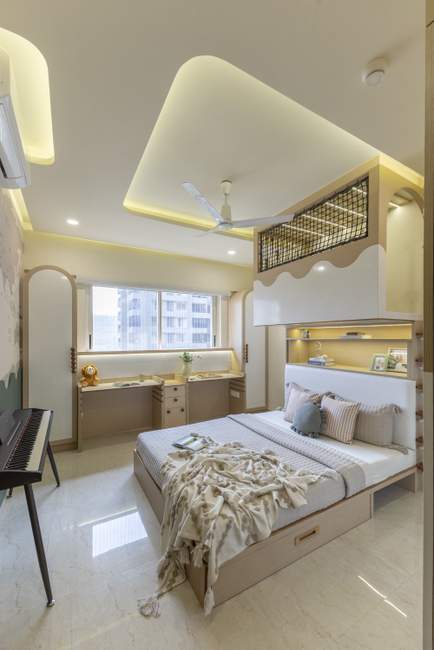
A well-planned activity corner allows children to enjoy different activities without making the entire room feel cluttered.
Depending on the available space, the corner can include a small desk, comfortable seating, open shelves, a reading nook or a place for toys and building blocks.
For a compact children’s bedroom, consider:
A child-sized desk with accessible storage.
Low shelves or labelled baskets for toys and books.
A comfortable floor cushion or beanbag for reading.
A clear floor area for playing and creative activities.
Plan the furniture around your child’s age, height and needs. Keep circulation paths clear and avoid furniture arrangements that encourage children to climb on unstable pieces.
A dedicated activity corner can also be designed to evolve over time, changing from a play area into a study zone as your child grows.
4. Add a Comfortable Swing or Reading Nook
A cosy seating corner can become a favourite spot for reading, relaxing and spending quiet time.
If the room has enough space, a properly installed indoor swing can add a playful element. However, a swing should only be installed after checking the structural support, appropriate load capacity and age suitability. It should be used with proper supervision and adequate clearance.
For a simpler alternative, consider:
A cushioned window seat.
A compact reading chair.
A soft floor mattress with cushions.
A small upholstered bench with storage.
Choose comfortable, easy-to-maintain fabrics and keep the seating area away from sharp corners and obstructions.
A reading nook can also be enhanced with a warm reading light, a small bookshelf and soft furnishings that complement the bedroom’s colour palette.
5. Display Your Child’s Favourite Collections
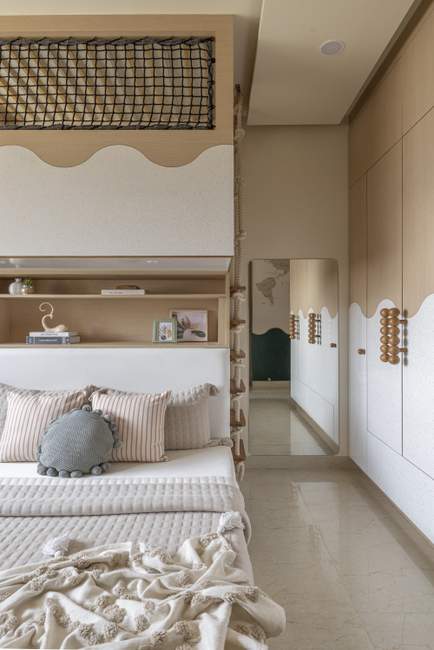
A child’s interests often change as they grow. A thoughtfully designed display area allows them to personalise their bedroom without making the space feel overcrowded.
Whether your child enjoys cars, dolls, books, sports, animals or art, their collections can become part of the room’s interior design.
Here are some ways to display favourite items:
Install open shelves for toys, books and collectibles.
Use framed artwork to create a personalised gallery wall.
Add a themed bedspread, rug or cushion for a subtle decorative touch.
Create a dedicated display shelf for special objects.
Use interchangeable wall art that can be updated as interests change.
For a balanced look, combine a few decorative pieces with closed storage for toys and everyday belongings. This keeps the bedroom visually organised while giving your child a sense of ownership over the space.
6. Create an Indoor Play Zone
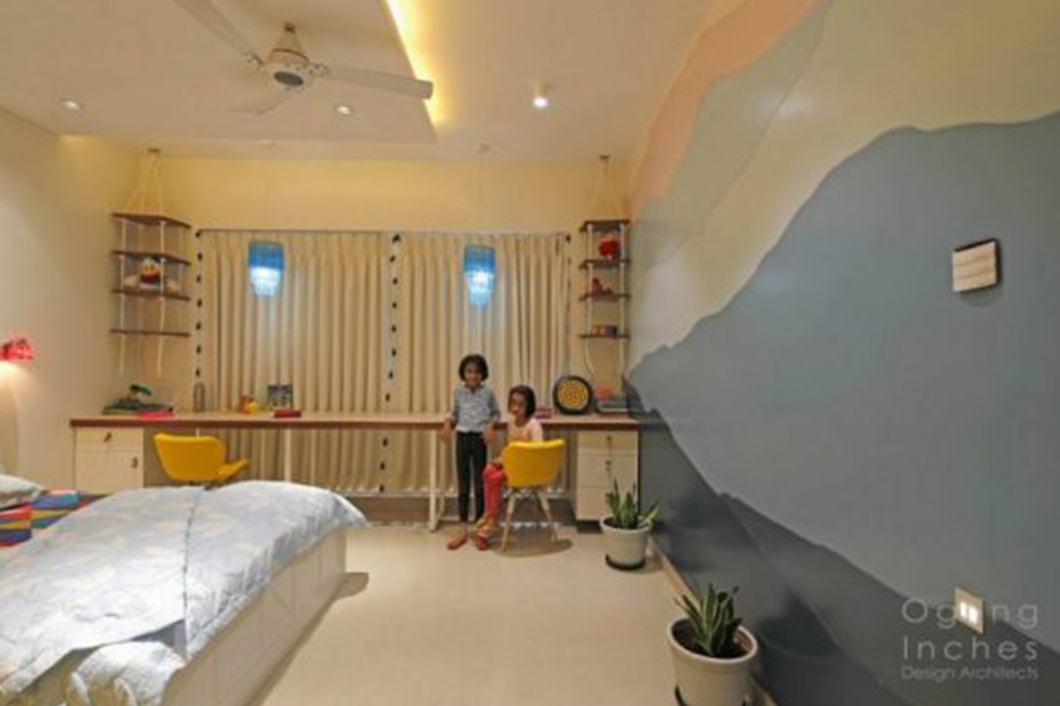
An indoor play zone can be a useful addition to a children’s bedroom, especially when outdoor play space is limited.
The design should be based on the child’s age, the available floor area and the activities they enjoy. A simple open area with a soft rug, accessible toy storage and comfortable floor seating can be enough to encourage imaginative play.
Depending on the room size, you could consider:
A floor-based play area with a washable rug.
A small building-block or craft table.
A pretend-play corner with a play kitchen or dollhouse.
A low toy-storage unit with labelled baskets.
A compact indoor play structure designed for the child’s age and installed according to its safety requirements.
Avoid overcrowding the room with play equipment. Keep windows, doors and circulation paths unobstructed, and make sure the play area is separated from hazards such as exposed electrical outlets and unstable furniture.
7. Add a Dollhouse or Imaginative Play Feature
A dollhouse, miniature play structure or themed play corner can add personality to a child’s bedroom while encouraging imaginative play.
A dollhouse can be placed on a low, stable table or incorporated into a custom-designed storage unit. For smaller bedrooms, a wall-mounted display or compact dollhouse can help save floor space, provided it is securely installed and appropriate for the child’s age.
Other imaginative play features include:
A small pretend-play shop or kitchen.
A miniature reading tent.
A toy garage or vehicle display.
A themed wall illustration.
A compact playhouse-inspired bed feature.
Choose a feature that suits the room’s dimensions and leaves enough space for movement, storage and everyday activities.
8. Divide the Bedroom into Functional Zones
A well-designed children’s bedroom often needs to accommodate sleeping, studying, playing and storage within the same space.
Dividing the room into functional zones can help create a more organised and comfortable environment.
Sleeping zone
Place the bed in a comfortable location with easy access and adequate circulation space. Choose bedding and colours that complement the overall design.
Study zone
A dedicated study desk with suitable lighting and organised storage can support reading, homework and creative activities.
Play zone
Keep a flexible area for toys, games and floor-based activities. Avoid placing bulky furniture in the middle of the room.
Storage zone
Use wardrobes, drawers, shelves and storage boxes to keep clothes, books and toys organised.
In a small bedroom, consider multifunctional furniture such as a bed with drawers, a compact desk or vertical shelving. The goal is to make the room feel spacious while giving every activity a practical place.
Important Things to Consider When Designing a Child’s Bedroom
A beautiful children’s bedroom should also be practical, safe and easy to maintain.
| Design element | What to consider |
|---|---|
| Safety | Stable furniture, secure wall-mounted units, protected electrical points and clear circulation |
| Colours | A balanced palette that can adapt as your child grows |
| Lighting | General lighting, task lighting for studying and comfortable bedside lighting |
| Storage | Accessible shelves, drawers and dedicated spaces for toys and books |
| Furniture | Age-appropriate furniture with comfortable proportions |
| Flexibility | A layout that can evolve from a playroom into a study-focused bedroom |
| Materials | Durable, easy-to-clean and suitable materials for everyday use |
How Professional Interior Design Can Improve a Children’s Bedroom
Planning a children’s bedroom involves more than selecting a theme or choosing colourful furniture. A professional interior designer can help organise the available space, coordinate finishes, plan storage and create a cohesive design that suits the family’s requirements.
For families planning a complete home interior, a children’s bedroom can be designed as part of a coordinated residential interior project, ensuring that the room complements the rest of the home while reflecting the child’s personality.
At Ogling Inches Design Architects, we approach residential interiors with a focus on space planning, functionality, materials and the overall experience of living in a home.
If you are planning a children’s bedroom or a complete home interior, explore our residential interior design services in Pune.
Conclusion
The best children’s bedroom design ideas combine creativity, comfort, safety and functionality. From colourful walls and creative activity corners to cosy reading nooks and well-planned storage, every element should contribute to a space that feels personal and practical.
A thoughtfully designed children’s bedroom can adapt as your child grows, making it a comfortable place to sleep, learn, play and express their imagination.
If you are planning a new home or renovating your existing space, Ogling Inches Design Architects can help you create a personalised interior that suits your family’s lifestyle.
Explore our residential interior design services in Pune or contact our team to discuss your project.