
6 Best Parameters to Select Curtains for an Indian Home
How to Select the Right Curtains for Your Home?
Choosing curtains may seem like a small decision when designing a home, but the right curtains can completely change the way a room looks and feels.
Whether your home follows a contemporary, minimalist, traditional, industrial or modern interior design style, curtains have to work with the furniture, flooring, wall colours, lighting and overall character of the room.
As interior designers, we often find homeowners asking the same questions:
- Should I choose heavy curtains or sheer curtains?
- Which curtain fabric works best for Indian homes?
- Should curtains match the walls or the furniture?
- What colour curtains should I choose?
- How long should curtains be?
- Do I need curtain liners?
- Which pleat and curtain track should I use?
- Should I choose cotton, linen, velvet or synthetic fabric?
Confused?
You should be. There are almost endless choices when it comes to curtain designs, fabrics, colours, textures and styles for homes.
But selecting curtains becomes much easier when you know what to look for.
With our experience in residential interior design, we have shortlisted six important parameters that can help you select curtains that look beautiful, complement your interiors and remain practical for everyday use.
If you are planning a new home or renovating an existing one, these principles can also help you understand how professional interior designers in Pune approach smaller details of a home interior.
Let’s get started.
1. Select the Right Curtain Fabric
The first thing to consider when choosing curtains is the fabric.
The right fabric depends on the look you want, the amount of sunlight entering the room, the size of the window and how much maintenance you are comfortable with.
Heavy Curtains for a Richer Look
Heavier fabrics can work particularly well with traditional, luxurious and more formal interiors.
Velvet curtains, for example, have a natural softness and sheen that can create a rich and sophisticated appearance. They can work particularly well when the room already uses materials such as polished wood, stone, metal or other luxurious finishes.
For a more contemporary or minimalist home, lighter fabrics such as cotton and linen can create a softer and more relaxed appearance.
Cotton and Linen Curtains for Everyday Homes
For many Indian homes, cotton and linen-look curtains are practical choices because they can blend easily with different furniture styles and are relatively straightforward to maintain.
If your furniture and interiors are already planned, select a curtain fabric that complements the existing materials rather than competing with them.
When Should You Choose Sheer Curtains?
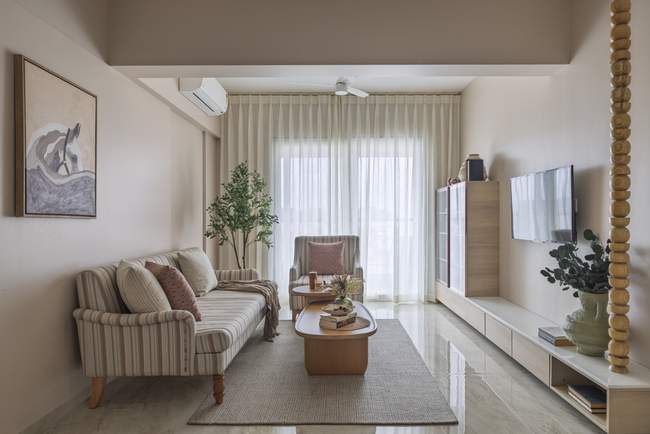
If you want natural light to enter the room while maintaining a degree of privacy, sheer curtains can be an excellent option.
Sheer fabric is translucent and allows daylight into the room while providing some visual separation from the outside.
You can also layer sheers with heavier curtains to give yourself greater control over light, privacy and the overall appearance of the window.
2. Choose the Right Pleats and Curtain Form
The fabric alone does not determine how your curtains will look.
The pleat style, fullness and way the fabric falls also have a major influence on the final appearance.
Heavier fabrics such as velvet can work well with deeper and wider pleats, while lighter fabrics such as cotton and linen can work with narrower or softer folds.
Large, tall windows can accommodate fuller curtains and more substantial folds, while standard apartment windows may look better with a simpler treatment.
The objective is to make the curtain proportionate to the window, ceiling height and overall interior design.
This is one of those details that can easily be overlooked when selecting curtains yourself but is normally considered as part of the overall home interior design.
3. Select Curtain Colours Carefully
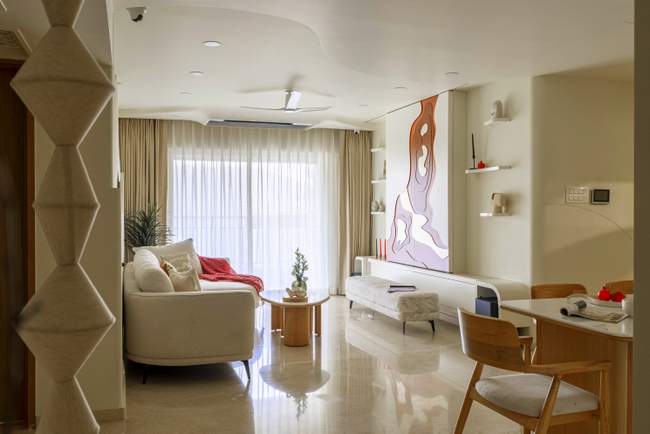
Curtain colour can either blend quietly into a room or become a strong design element.
If you are unsure about colour, one of the safest approaches is to select a shade that relates to your walls, upholstery, furniture or other materials already present in the room.
This allows the curtains to become part of the overall interior rather than appearing disconnected from it.
Want the Curtains to Become a Feature?
If you want the window treatment to stand out, you can introduce:
- Subtle patterns
- Small motifs
- Textured fabrics
- Deeper colours
- Contrasting tones
However, patterned curtains need to be considered alongside the rest of the room.
If the furniture, flooring and walls already have strong patterns or textures, a simpler curtain can create a more balanced interior.
Always order fabric samples before making the final decision.
Colours can look very different depending on natural daylight, artificial lighting and the other materials used in the room.
4. Get the Curtain Length and Width Right
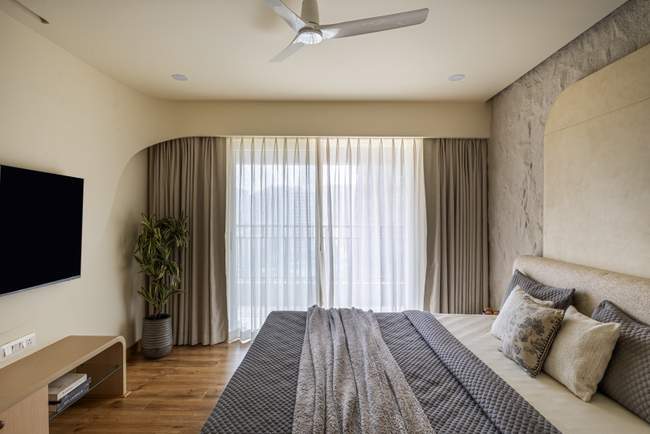
The dimensions of your curtains can dramatically change the appearance of a room.
In many interiors, mounting the curtain track or rod higher than the window can create the impression of a taller ceiling and give the room a more finished appearance.
For a clean and contemporary look, curtains can fall close to the floor without excess fabric pooling.
For a more dramatic and luxurious appearance, some homeowners prefer slightly longer curtains that create a soft break or puddle at the floor.
The width of the curtains is equally important.
Curtains should have enough fullness to create attractive folds when closed rather than appearing flat or stretched.
For larger windows and full-height glazing, the curtain design should be planned together with the window proportions and furniture layout.
This is especially important in modern apartments, villas and luxury residences where large windows often form an important part of the interior architecture.
5. Don’t Ignore Curtain Liners
A curtain liner is an additional layer placed behind the main curtain fabric.
It can help protect the face fabric from sunlight and can also influence the way the curtain hangs and looks.
Depending on the material and construction, lined and interlined curtains can provide additional insulation and help with light and sound control.
What Should You Consider When Selecting a Curtain Liner?
Consider:
- Amount of sunlight entering the room
- Privacy requirements
- Desired level of light control
- Fabric durability
- Maintenance
- Room temperature
- Position and orientation of the window
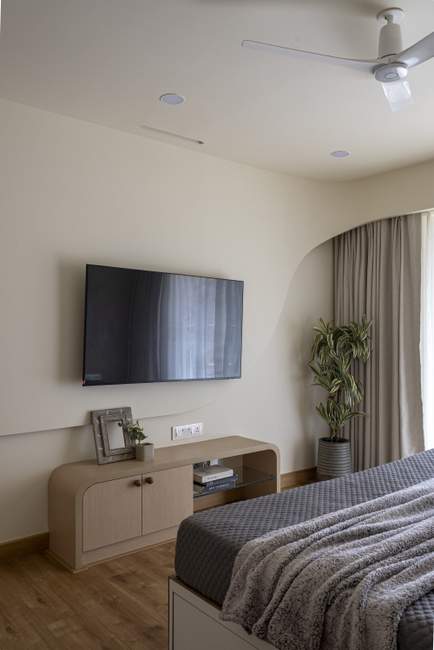
Bedrooms, for example, may benefit from greater light and privacy control, while living rooms may prioritise daylight and a softer appearance.
For rooms receiving strong direct sunlight, UV protection can also be an important consideration, particularly when using fabrics that may be sensitive to prolonged sunlight exposure.
6. Select the Right Window Style, Pleat and Accessories
Once you have selected the fabric, colour, size and lining, the next step is deciding how the curtains will actually be installed.
The curtain heading, pleat and track system can significantly influence the final appearance.
Pinch Pleat Curtains
Pinch pleats create a structured and decorative fold at the top of the curtain.
They can work particularly well in traditional, classic and more formal interiors.
Reverse or Inverse Pleats
With reverse pleats, the fold is positioned towards the back, creating a cleaner appearance from the front.
This style can work well when you want deeper folds while maintaining a relatively simple appearance.
Eyelet Curtains
Eyelet curtains have metal-edged openings along the top through which the curtain rod passes.
They create relaxed, larger folds and can work particularly well in contemporary interiors.
Curtain Tracks and Rods
Your choice is not limited to the fabric.
You also need to consider whether the curtains will use:
- Concealed curtain tracks
- Decorative rods
- Curtain rings
- Motorised tracks
- Pin hooks
- Eyelets
- Other specialised hardware
For a minimalist interior, a concealed track can create a clean architectural appearance.
For a more traditional or decorative interior, an exposed curtain rod can become part of the design.
Curtain accessories such as tiebacks, tassels, holdbacks and decorative knobs can also add character, although they should be used carefully when the fabric or room is already visually elaborate.

How Interior Designers Select Curtains for a Home
Curtains are often treated as an afterthought, but they can have a significant impact on the finished appearance of a home.
A professional interior designer considers the curtain together with the architecture, furniture, lighting, flooring, wall finishes and colour palette rather than selecting it as an isolated product.
For example, the same velvet curtain may look completely different in a traditional living room compared with a minimalist contemporary apartment.
Similarly, a sheer curtain may work beautifully in a naturally lit living room but require a blackout or lined curtain in a bedroom.
This is why window treatments should ideally be considered during the interior design process rather than after everything else has been completed.
Planning Your Home Interior in Pune?
If you are designing a new apartment, villa, bungalow or renovating an existing home, small decisions such as curtains, lighting, materials and furniture can collectively define the finished space.
At Ogling Inches, we approach residential interiors as a complete design exercise — from space planning and material selection to furniture, lighting, finishes and the finer details that bring the interior together.
Explore our residential interior design services or learn more about our interior design services in Pune.
If you are planning a home interior project in Pune and would like to discuss your requirements, contact Ogling Inches.
Frequently Asked Questions About Curtains for Indian Homes
Which curtain fabric is best for an Indian home?
There is no single fabric that is best for every home. Cotton and linen can work well for relaxed and contemporary interiors, while velvet and other heavier fabrics can create a richer appearance. The choice should depend on the room, sunlight, privacy, maintenance and overall interior design.
Should curtains match the walls?
Curtains do not necessarily need to exactly match the walls. They can coordinate with the walls, furniture, upholstery, flooring or other elements of the room to create a cohesive interior.
Are sheer curtains suitable for Indian homes?
Yes. Sheer curtains can allow natural daylight into a room while providing a degree of privacy. They can also be layered with heavier curtains when greater light or privacy control is required.
How long should curtains be?
For many contemporary interiors, full-length curtains that finish close to the floor create a clean appearance. The final length should be determined by the window, ceiling height, curtain track position and desired design style.
Are curtain liners necessary?
Not always. However, liners can be useful where additional light control, privacy, insulation or protection from sunlight is required.
How can curtains improve home interior design?
Curtains can add colour, texture, softness and visual height to a room. When selected correctly, they connect the windows with the furniture, lighting, walls and other elements of the interior design.
Final Thoughts
Selecting curtains is not simply about choosing a fabric that looks attractive.
The fabric, pleats, colour, dimensions, lining, track and accessories all influence how the finished window looks and performs.
Take time to look at fabric samples in your actual space, consider how much sunlight the room receives and think about how the curtains will work with your furniture and overall interior design.
After all, the smallest details can make a significant difference to a well-designed home.