
Small Bedroom Design Ideas: 10 Smart Tips for Modern Homes
Designing a small bedroom can be challenging, especially when you need to fit a comfortable bed, practical storage, lighting and personal touches into a limited space. However, a well-planned small bedroom can be just as stylish and functional as a larger one.
The key is to make thoughtful choices about the layout, furniture, colours, lighting and storage. With the right small bedroom design ideas, you can make the most of every square foot while creating a comfortable and visually appealing space.
At Ogling Inches Design Architects, we believe that thoughtful planning is the foundation of successful home interiors. Whether you are designing a compact apartment bedroom or updating a guest room, these ideas can help you create a bedroom that feels organised, spacious and personal.
If you are planning a complete home makeover, explore our residential interior design services in Pune for professionally planned and customised home interiors.
1. Make the Bed the Focal Point
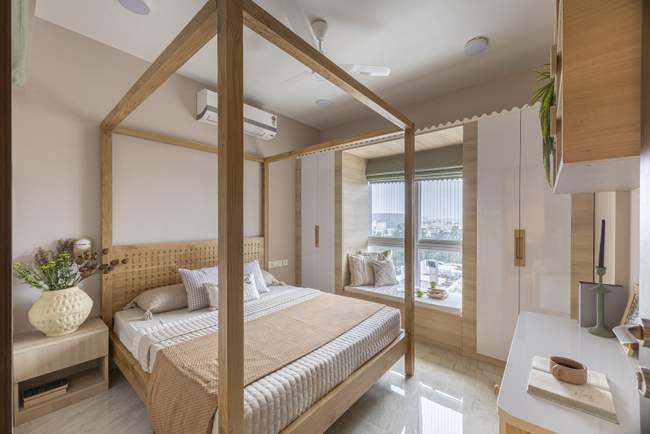
In a small bedroom, the bed is usually the largest piece of furniture and naturally becomes the focal point of the room. A well-designed bed can bring the entire space together without requiring too many decorative elements.
Choose a bed frame that suits the room’s dimensions and leaves enough space to move comfortably around it. A simple upholstered headboard, a wooden bed frame or a clean-lined contemporary design can work well in a compact bedroom.
For a cohesive look, use a consistent colour palette for the bedding, curtains and surrounding furniture. Add a contrasting cushion, a textured throw or a distinctive headboard to create visual interest without making the room feel crowded.
For more inspiration, explore our article on bedroom interior design trends.
2. Choose Smart Storage Solutions
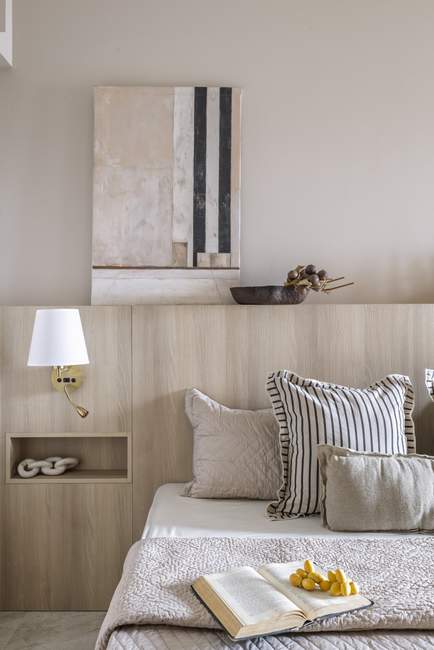
Storage is one of the most important considerations in small bedroom interior design. Without adequate storage, clothes, accessories and everyday belongings can quickly make a room feel cluttered.
A bed with built-in drawers or a hydraulic storage mechanism can provide additional space for bedding, seasonal clothing and other items. If you prefer a more open appearance, consider under-bed storage boxes that can be easily accessed when needed.
Built-in wardrobes can also make better use of available wall space. Plan the internal layout carefully, with hanging sections, drawers and shelves based on your storage needs.
For other compact-space storage solutions, read our guide to storage ideas for small bathrooms and kitchens.
3. Use Multifunctional Furniture
When floor space is limited, furniture that serves more than one purpose can make a noticeable difference.
Consider these space-saving furniture ideas:
A bed with integrated storage drawers.
A bedside table with drawers or open shelving.
A compact desk that can also function as a dressing table.
A wall-mounted foldable desk for a bedroom that doubles as a workspace.
A storage bench placed at the foot of the bed, if sufficient clearance is available.
For particularly compact rooms, a wall bed may be an option, provided the wall structure, installation requirements and everyday usability are suitable.
The objective is to reduce unnecessary furniture while ensuring that the bedroom remains comfortable and easy to use.
4. Install Floating Shelves and Wall-Mounted Furniture
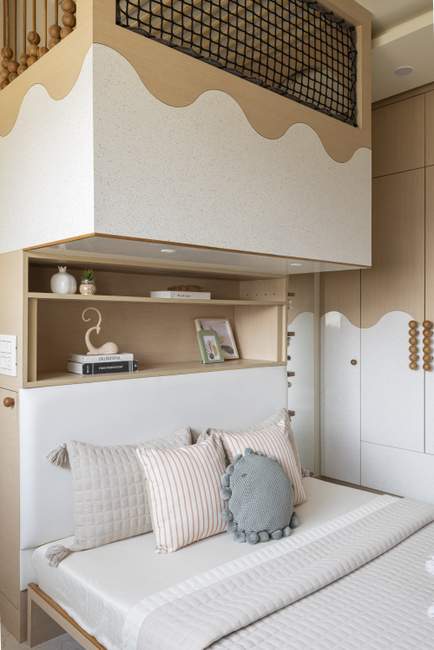
Floating shelves are useful in small bedrooms because they provide storage and display space without occupying the floor.
Install shelves above a desk, beside the bed or in an otherwise unused wall area. They can hold books, small decorative objects, framed photographs and other personal items.
Wall-mounted bedside tables are another practical option. They keep the floor area open and can make cleaning easier.
However, avoid overcrowding the walls with too many shelves. A few carefully positioned elements can create a more organised appearance than a large collection of decorative objects.
5. Use Wall-Mounted Lighting
Table lamps and floor lamps can take up valuable space in a compact bedroom. Wall-mounted lights and pendant lights can provide functional bedside illumination while freeing up the bedside surface.
Consider:
Wall-mounted reading lights beside the bed.
Pendant lights positioned above bedside tables.
Adjustable sconces for focused reading.
Recessed or indirect lighting for general illumination.
Choose warm, comfortable lighting for a relaxing bedroom atmosphere. Ensure that switches and reading lights are positioned conveniently for everyday use.
Lighting should be planned alongside the bed, headboard and bedside furniture rather than added as an afterthought.
6. Choose the Right Rug and Flooring
A rug can add warmth, texture and visual interest to a small bedroom. However, the wrong size or placement can make the room feel visually crowded.
Choose a rug that relates to the bed’s proportions and the available floor area. A rug extending beyond the sides of the bed can create a cohesive arrangement, while smaller rugs beside the bed may work better in particularly compact rooms.
For a calmer appearance, consider neutral colours and subtle patterns. If the bedroom already has patterned bedding or wallpaper, a simpler rug can help balance the overall design.
The flooring, rug and furniture finishes should work together to create a visually connected space.
7. Use Mirrors and Visually Light Furniture
Mirrors can reflect light and create a greater sense of visual depth in a small bedroom. A full-length mirror on a wardrobe door or a well-positioned mirror near a window can make the room feel brighter.
Furniture with slim profiles, exposed legs or visually light finishes can also help prevent a compact bedroom from appearing too heavy.
Consider:
Wardrobe shutters with integrated mirrors.
Slim bedside tables.
Furniture with a lighter visual profile.
Glass or acrylic accents where they suit the design.
A limited palette of complementary materials.
Mirrors should be positioned thoughtfully, considering natural light, privacy and the overall layout.
8. Make Use of Vertical Storage
When floor space is limited, look upwards. Vertical storage can help organise belongings while keeping the floor area clear.
Full-height wardrobes, tall shelving units and overhead cabinets can make use of available wall height.
For wardrobes, a well-planned internal arrangement can improve usability. Frequently used items should be easy to access, while seasonal belongings can be stored in less accessible sections.
If you are planning custom furniture, consider the ceiling height, door clearances and ease of reaching upper shelves.
Vertical storage works particularly well when combined with a simple design and a consistent finish palette.
9. Add Plants and Personal Decorative Elements
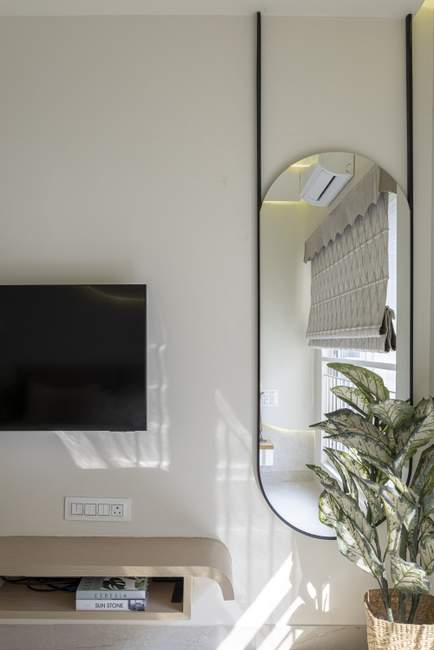
Even a small bedroom can feel inviting with a few carefully selected decorative elements.
Indoor plants, framed artwork, photographs and textured fabrics can add personality without requiring additional furniture.
If floor space is limited, consider a small plant on a shelf or a suitable hanging planter. Choose plants according to the available natural light and your ability to maintain them.
Avoid filling every available surface with decorative objects. A few meaningful elements can create a more balanced and comfortable bedroom.
For more ideas, explore our guide to the best indoor plants for homes and offices.
10. Use a Cohesive Colour Palette
Colour plays an important role in how a small bedroom feels. A coordinated palette can help the room appear visually connected and create a calm atmosphere.
Light neutrals, warm whites, soft beige and muted pastels are popular choices for compact bedrooms. However, small bedrooms do not need to be entirely white or neutral.
You can introduce deeper colours through a headboard, an accent wall, cushions or artwork. The key is to balance contrasting elements with the room’s lighting, materials and proportions.
Consider using similar tones across the walls, wardrobe finishes and larger furniture pieces to reduce visual fragmentation.
For a cohesive home, carry selected colours and materials from the bedroom into the rest of the house. Our residential interior design services in Pune can help you plan a consistent design language across different rooms.
Plan Your Small Bedroom with Ogling Inches Design Architects
A well-designed small bedroom requires more than attractive furniture and colours. The layout, circulation space, storage requirements, lighting and material choices must work together to create a comfortable and functional room.
At Ogling Inches Design Architects, we provide residential interior design and turnkey execution solutions for homes in Pune. Our approach focuses on understanding the way you live and translating your requirements into thoughtfully planned interiors.
Whether you are designing a compact apartment, a contemporary 2BHK or a larger family home, careful planning can help you make better use of your available space.
Explore our residential interior design services in Pune or contact our team to discuss your home interior project.
Frequently Asked Questions
1. How can I make a small bedroom look bigger?
Use a well-planned layout, visually light furniture, mirrors, a coordinated colour palette and adequate lighting. Keep circulation areas clear and avoid adding unnecessary furniture.
2. Which bed is suitable for a small bedroom?
A bed with built-in storage can be useful when additional storage is needed. The right size and design depend on the room dimensions, circulation space and the number of people using the bedroom.
3. What are the best storage ideas for a small bedroom?
Consider built-in wardrobes, under-bed storage, wall-mounted shelves, multifunctional furniture and full-height storage units. Plan the storage according to your everyday needs.
4. Which colours work well in a small bedroom?
Light neutrals, warm whites, soft beige and muted shades can create a calm, visually connected appearance. Accent colours can be introduced through textiles, artwork and selected furniture elements.
5. How can an interior designer help with a small bedroom?
An interior designer can help plan the furniture layout, storage, lighting, materials and finishes according to the available space and your requirements. Professional planning can also help coordinate the bedroom with the overall home interior design.