
7 Benefits of Residential Interior Design for Your Home
A well-designed home is more than just a beautiful space. It should reflect your personality, support your daily routines and provide comfort for everyone who lives in it.
While many homeowners have a clear idea of the colours and furniture they like, creating a cohesive and functional home requires careful planning. This is where professional residential interior design can make a difference.
From optimising space and selecting materials to coordinating lighting, furniture and storage, an interior designer helps bring different elements together into a thoughtfully planned living environment.
At Ogling Inches Design Architects, we believe that good home interiors balance aesthetics, functionality and the needs of the people who use the space.
Here are 7 key benefits of residential interior design and how professional planning can help you create a home that works for your lifestyle.
1. Professional Expertise and Thoughtful Design
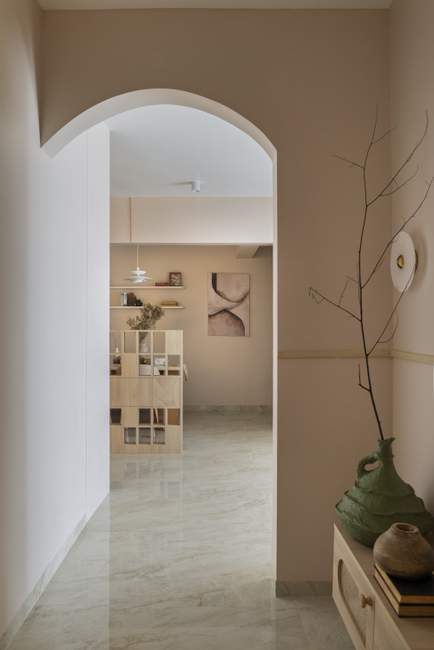
Residential interior designers bring design knowledge and a structured approach to planning a home.
They consider the relationship between space, furniture, lighting, colours, materials and everyday activities to create a cohesive interior.
Better Space Planning
A well-planned layout can make rooms feel more organised and comfortable. Designers assess circulation, furniture placement, storage requirements and the relationship between different areas of the home.
Coordinated Colours and Materials
Selecting colours, finishes and textures that work together can help create a consistent design language throughout the home.
Design That Reflects Your Personality
Professional design is not simply about following trends. It involves understanding your preferences and translating them into a home that feels personal and practical.
Explore residential interior design services in Pune to learn more about our approach to home interiors.
2. Improved Functionality and Space Utilisation
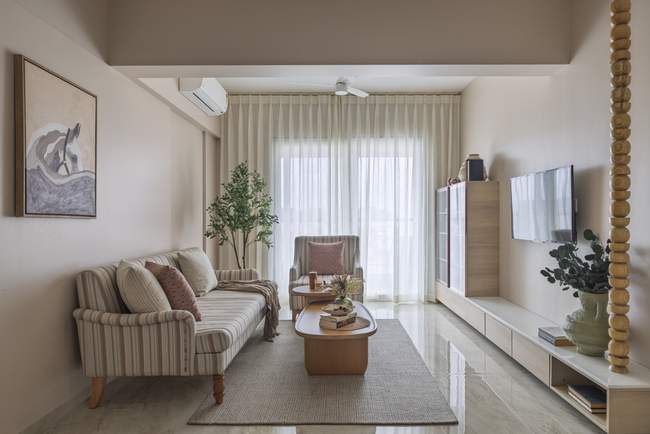
Every home has different space requirements. A well-designed interior makes the most of the available area while supporting the way the family lives.
Efficient Furniture Layouts
Furniture should fit the room’s proportions and allow comfortable movement. Thoughtful placement can help prevent overcrowding and improve the usability of a space.
Smart Storage Solutions
Built-in wardrobes, modular cabinets, concealed storage and customised furniture can help keep everyday belongings organised.
Better Use of Compact Spaces
In smaller apartments, multipurpose furniture and carefully planned layouts can help make limited space more versatile.
The goal is to create a home that feels comfortable and functional rather than simply filling every available area.
3. Personalised Designs for Your Lifestyle
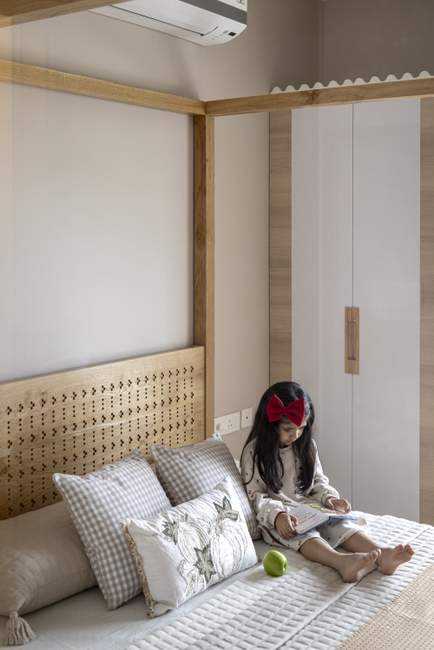
Every household has its own routines, preferences and priorities. A personalised interior design considers these differences from the beginning.
Understanding Your Requirements
An interior designer may consider:
The number of people living in the home.
Your daily routines and work-from-home needs.
Storage requirements and furniture preferences.
The way you entertain guests or spend time together.
Your preferred colours, materials and design style.
Customised Furniture and Interiors
Customised furniture, wardrobes, entertainment units and storage solutions can be designed to suit the available space and your specific requirements.
Creating a Consistent Design Language
A cohesive interior can connect the living room, bedrooms, kitchen and other spaces through coordinated materials, finishes and colours.
The result is a home that feels personal while remaining practical for everyday use.
4. Better Access to Materials, Products and Resources
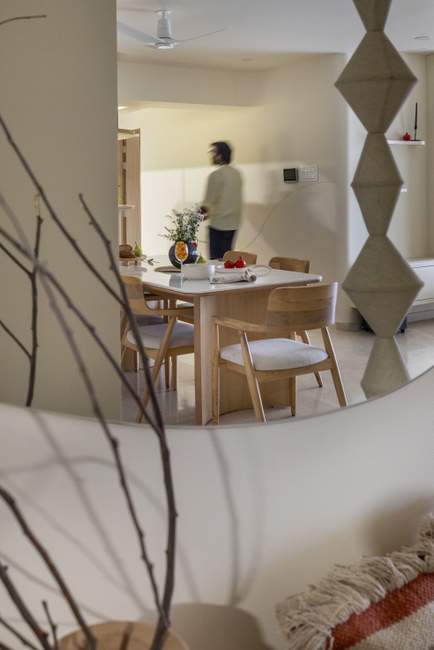
Choosing materials, furniture, lighting and accessories can be time-consuming when planning a home.
Interior designers can help shortlist suitable options based on the design concept, budget, availability and maintenance requirements.
Material Selection
Flooring, wall finishes, laminates, fabrics and other materials should work together visually and functionally.
Furniture and Lighting Coordination
Selecting furniture and lighting as part of a broader design plan helps create a balanced interior rather than a collection of unrelated elements.
Coordination with Vendors
Depending on the project scope, an interior designer may coordinate with contractors, suppliers and other professionals involved in the execution.
This can help streamline the process of turning a design concept into a completed interior.
5. Better Budget Planning and Fewer Costly Mistakes
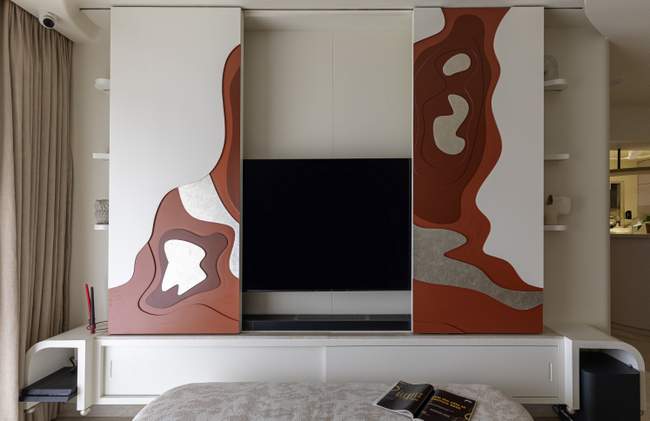
A clear interior design plan can help homeowners make informed decisions before purchasing materials or beginning execution.
Prioritising the Budget
A designer can help identify which elements deserve greater attention and where alternative materials or finishes may be suitable.
Planning Before Execution
Detailed layouts, material selections and design specifications help clarify the intended outcome before work begins.
Reducing Design Changes
Making key decisions early can reduce avoidable changes during execution. However, the final cost and timeline will still depend on the project scope, material choices and site conditions.
Professional planning helps create a clearer understanding of the work involved and the budget required.
6. More Sustainable and Practical Design Choices
Residential interior design can also consider resource efficiency, durability and ease of maintenance.
Durable Materials
Selecting materials that suit the home’s usage and maintenance requirements can help reduce the need for frequent replacement.
Energy-Efficient Lighting
LED lighting and a well-planned lighting layout can help reduce electricity consumption compared with less efficient lighting options.
Natural Light and Ventilation
Where the building layout allows, planning around natural light and ventilation can improve the comfort of interior spaces.
Thoughtful Material Selection
Choosing materials based on durability, maintenance and environmental considerations can support more responsible design decisions.
Sustainable choices should be evaluated according to the home’s needs, budget and available products.
7. A Cohesive and Timeless Home Interior
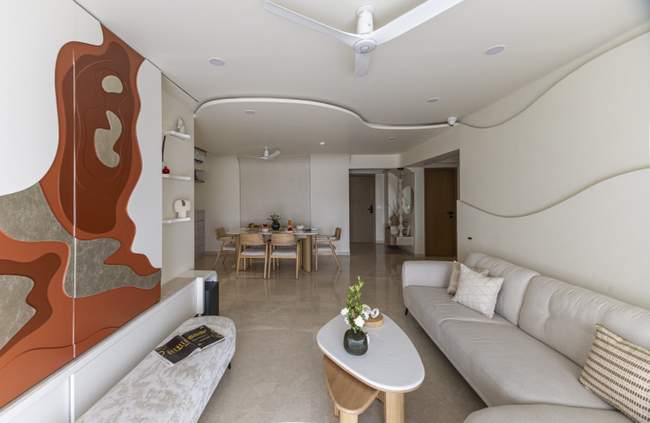
A well-designed home brings together different rooms and design elements into a unified whole.
Consistent Colours and Finishes
A coordinated palette of colours, materials and textures can help create a harmonious interior.
Balanced Lighting
Combining ambient, task and accent lighting can support different activities and enhance the atmosphere of a room.
Mixing Trends with Timeless Elements
Trends can add personality, but durable materials, functional layouts and thoughtful proportions can help a home remain relevant as preferences change.
A timeless interior is not necessarily minimal or neutral. It is a space designed around the people who use it.
What Does a Residential Interior Designer Do?
A residential interior designer helps plan and coordinate the interior spaces of a home.
Depending on the agreed scope of work, services may include:
| Service | What it involves |
|---|---|
| Space planning | Organising furniture, circulation and room layouts |
| Concept development | Establishing the design direction, colours and materials |
| Furniture design | Planning customised furniture and storage |
| Lighting design | Coordinating lighting for different activities |
| Material selection | Selecting finishes, surfaces and fabrics |
| Design coordination | Coordinating drawings, specifications and project requirements |
| Execution support | Assisting with implementation according to the agreed scope |
The exact services provided will depend on the project and the agreement with the designer.
How to Choose Residential Interior Designers in Pune
If you are planning a home interior project in Pune, consider the following before selecting a design firm.
Review the Portfolio
Look for projects similar to your home in terms of size, style and requirements.
Understand the Scope of Work
Clarify whether the service includes design only, execution support or turnkey interior execution.
Discuss Your Budget
Share your budget and priorities early so the proposed design can be planned accordingly.
Evaluate Communication
Choose a team that understands your requirements, explains design decisions clearly and provides a defined process for project coordination.
Ask About Materials and Execution
Understand how materials will be selected, how work will be coordinated and what level of involvement the design team will have during execution.
Explore Ogling Inches’ residential interior design services to learn more about our design approach.
Conclusion: Create a Home That Reflects Your Lifestyle
Residential interior design brings together aesthetics, functionality, space planning and material selection to create a home that supports everyday living.
From improving the use of available space to creating personalised interiors and coordinating materials, professional design can help homeowners make informed decisions throughout the project.
If you are planning a home interior project in Pune, Ogling Inches Design Architects can help you explore design solutions tailored to your lifestyle, space and preferences.
Planning your home interiors? Contact Ogling Inches to discuss your residential interior design requirements.