
Material Palette for Residential Interiors | Pune Design Guide
Imagine selecting a beautiful marble for your living room, a completely different wood finish for your furniture, a contrasting laminate for the kitchen and another colour for every bedroom.
Individually, each choice might look attractive. Together, however, they could make the home feel visually disconnected.
A material palette solves this problem.
A residential interior designer considers the home as one connected environment rather than designing every room independently.
The objective is to create visual continuity while still giving every room its own character.
A carefully planned palette can help:
- Create a cohesive home interior
- Make smaller apartments feel visually organised
- Establish a clear design style
- Balance colours and textures
- Coordinate furniture and architectural elements
- Create contrast without visual clutter
- Make spaces feel more premium
- Improve the relationship between natural and artificial lighting
- Make future furniture and décor selections easier
This is why material selection should ideally happen early in the residential interior design process.
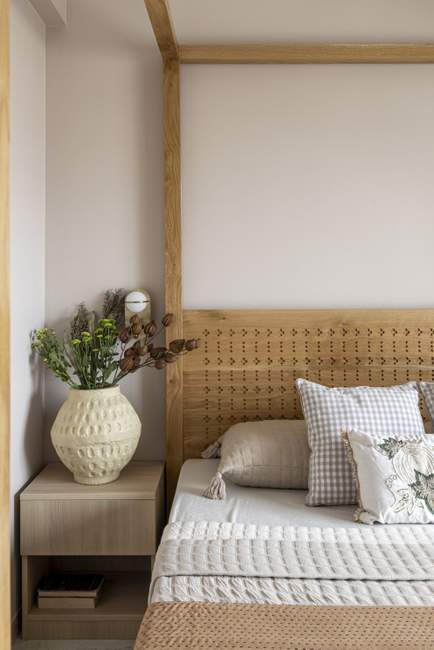
1. Start by Selecting a Design Style
Before selecting individual materials, it is useful to establish the overall design direction of the home.
Different homes require different approaches. Some homeowners prefer a warm contemporary home, while others may prefer minimalist, Scandinavian, traditional, modern or eclectic interiors.
For example, a modern apartment interior may use:
- Clean lines
- Neutral colours
- Wood or wood-look finishes
- Glass
- Metal
- Minimal décor
A traditional Indian home may instead incorporate:
- Natural wood
- Brass
- Stone
- Decorative panels
- Traditional patterns
- Richer colours
The design style acts as a framework for selecting the material palette.
For a homeowner planning home interiors in Pune, this first step is particularly useful because the palette can then be adapted to the size, natural light, layout and architecture of the individual apartment or house.
2. Modern Interior Design
Modern design generally focuses on clean lines, simple forms and a controlled material palette.
Materials such as wood, glass, metal, stone and laminates can be combined to create a sophisticated appearance without excessive decoration.
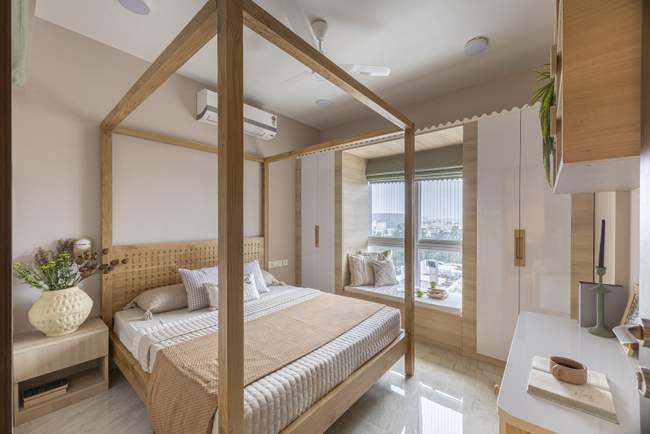
A modern residential interior does not necessarily have to look cold or minimal.
Warm wood tones, textured fabrics, soft lighting and natural materials can add depth and comfort while maintaining a contemporary appearance.
For an apartment, this approach can work particularly well when the living room, dining area and kitchen need to visually connect.
3. Minimalist Interior Design
Minimalism takes the idea of simplicity even further.
The objective is not simply to use fewer things but to ensure that every element has a purpose.
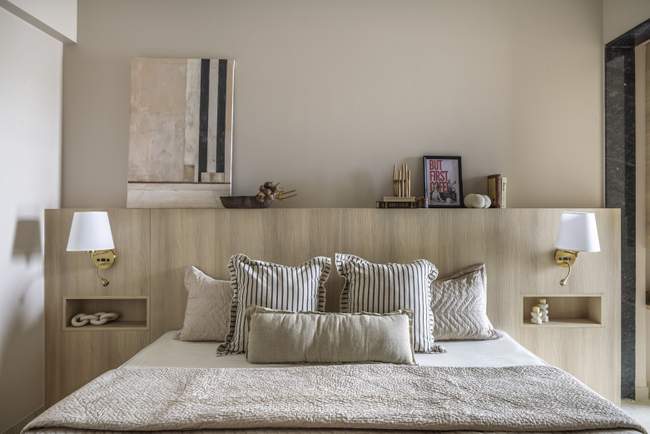
A minimalist home may use:
- Neutral colours
- Simple furniture
- Clean cabinetry
- Integrated storage
- Limited decorative elements
- Consistent materials
- Concealed lighting
This can be particularly effective for small apartment interiors, where excessive materials and décor can make the home feel visually crowded.
Good space planning becomes equally important. Storage, furniture placement, circulation and lighting need to be considered along with the material palette.
4. Scandinavian Interior Design
Scandinavian interiors typically combine simplicity, functionality and natural materials.
Light-coloured wood, neutral walls, soft fabrics and clean-lined furniture can create an airy and comfortable environment.
For an apartment with limited natural light, lighter materials can also help create a brighter visual atmosphere.
The important principle is consistency. Flooring, furniture, walls, fabrics and lighting should work together rather than compete for attention.
5. Contemporary Interior Design
Contemporary design is more fluid than a strict design style.
It can combine modern furniture with natural materials, curved forms, textured walls, statement lighting and carefully selected decorative elements.
This flexibility makes contemporary interiors particularly suitable for personalised residential interior design.
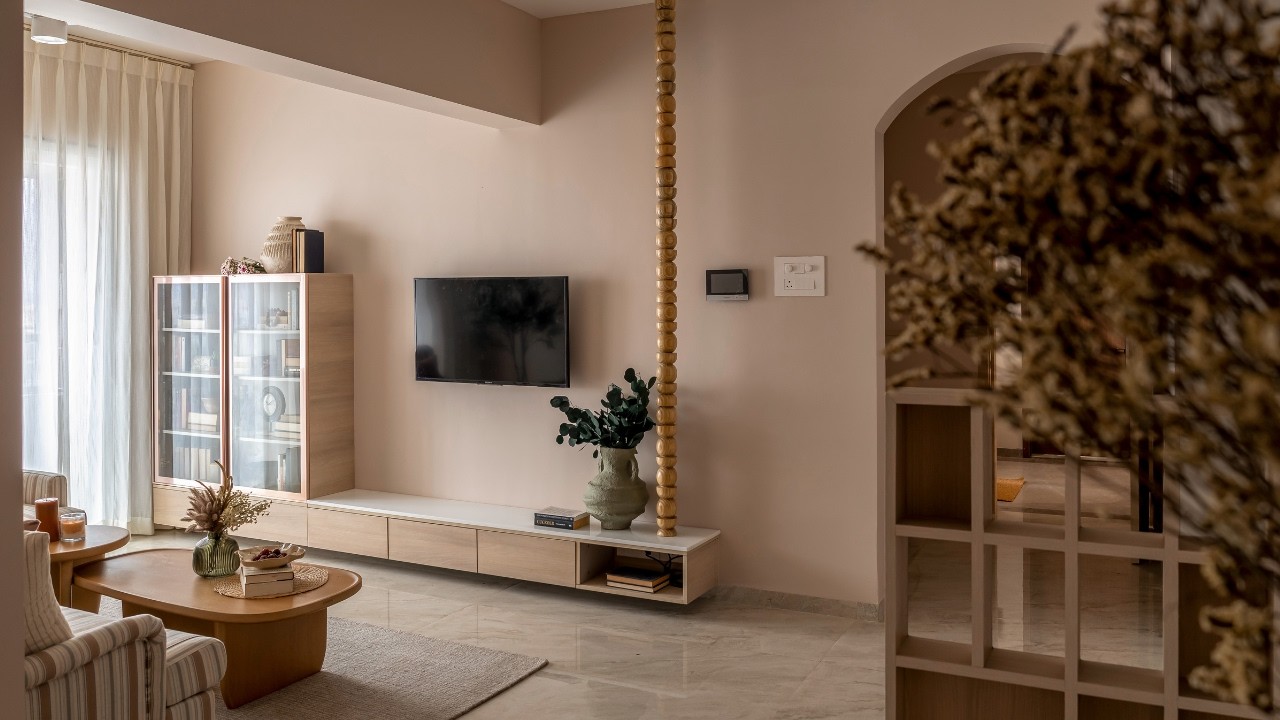
For example, a contemporary Pune apartment could combine:
- Warm wood
- Beige or greige walls
- Stone
- Brass details
- Soft upholstery
- Fluted panels
- Contemporary lighting
The result can feel modern without becoming overly dependent on short-lived trends.
6. Shabby Chic
Shabby chic interiors use furniture and finishes that have an aged, soft and lived-in character.
Distressed furniture, pastel colours, vintage-inspired accessories and softer fabrics are commonly associated with this style.
Although it is less common in contemporary urban apartments, elements of the style can be selectively introduced into a residential interior to create a more relaxed and personal atmosphere.
The key is to avoid introducing too many competing decorative elements.
7. Bohemian Interior Design
Bohemian interiors are more expressive and layered.
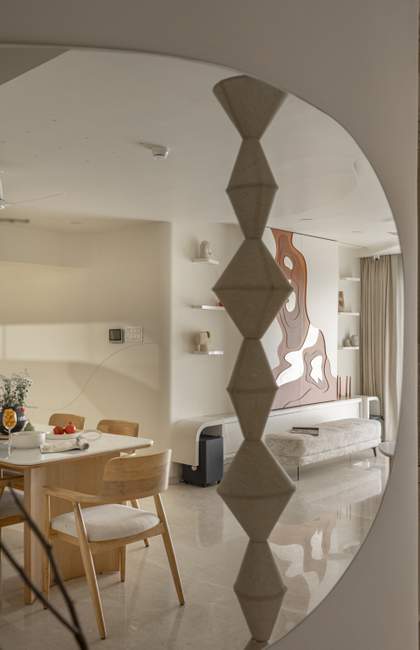
Patterns, colours, textiles, artwork, plants and handcrafted objects can be combined to create a relaxed and individualistic environment.
Unlike minimalist interiors, a Bohemian material palette can contain more variation.
However, even an eclectic home benefits from some underlying coordination. Repeating a particular wood tone, metal finish or colour family throughout the home can prevent the space from appearing chaotic.
8. Choosing the Right Colour Palette
Once the design direction is established, the next step is to develop the colour palette.
Colour has a major influence on how a home feels.
Neutral colours such as:
- Beige
- Ivory
- Off-white
- Taupe
- Greige
- Soft grey

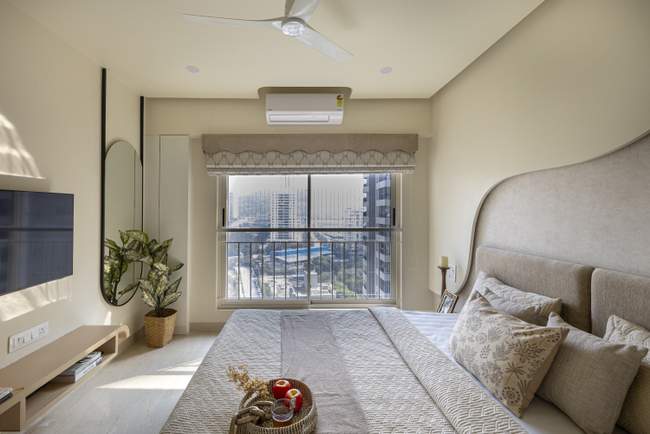
can create a calm and timeless foundation.
Accent colours can then be introduced through furniture, artwork, cushions, curtains, rugs or feature walls.
For Pune apartment interiors, the amount of natural light should also be considered. A colour that looks one way under showroom lighting may appear completely different inside an actual home.
This is why experienced interior designers evaluate colours alongside materials and lighting rather than choosing paint colours in isolation. Colour and lighting work together to influence the appearance of surfaces throughout the day.
9. Materials Should Be Selected Alongside Colour
One of the common mistakes homeowners make is selecting paint colours before considering the major materials in the home.
Flooring, kitchen finishes, wardrobes, furniture and wall treatments often remain for much longer than paint colours.
Therefore, the material palette should ideally be considered as a complete composition.
For example:
Warm wood + beige stone + off-white walls + brass
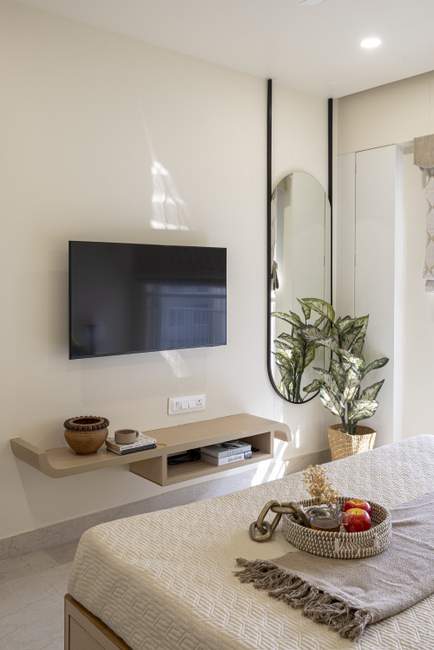
will create a very different atmosphere from:
Dark wood + grey stone + charcoal walls + black metal.
Neither combination is necessarily better. The appropriate palette depends on the architectural style, natural light, furniture, lifestyle and personal preferences of the homeowner.
This is where professional residential interior design in Pune can add value—by bringing these decisions together before execution begins.
10. Selecting Textures
Texture is one of the most important elements of interior design, yet it is often overlooked.
A room with the same smooth surface everywhere can feel flat even when the colours are well selected.
Introducing different textures can create depth and visual interest.
For example:
- Wood can add warmth
- Stone can add solidity
- Fabric can add softness
- Fluted panels can add rhythm
- Metal can add contrast
- Glass can add lightness
- Textured paint can add subtle depth
- Natural materials can add character
The objective is not to use as many textures as possible.
Instead, the designer should determine where texture is needed and how much is appropriate for the size of the room.
This becomes especially important in apartment interior design, where excessive detailing can make a compact space feel visually busy.
11. Visual Texture
Visual texture refers to the way a surface appears rather than how it physically feels.
A wood-grain laminate, patterned wallpaper, marble surface or fluted panel can introduce visual texture even when the surface itself is relatively smooth.
Visual texture can be used to create a focal point.
For example, a living room TV wall could use a combination of wood veneer and stone, while the surrounding walls remain relatively simple.
This allows the material itself to become part of the architectural design.
12. Tactile Texture
Tactile texture is the physical quality of a surface.
It can be:
- Smooth
- Rough
- Soft
- Grainy
- Ribbed
- Matte
- Polished
- Natural
- Textured
Consider a living room with smooth flooring, a soft fabric sofa, a textured rug, wooden furniture and a stone feature wall.
Although the colour palette may remain relatively neutral, the combination of tactile surfaces creates richness and depth.
This is particularly useful when designing luxury home interiors, where sophistication often comes from subtle differences in material and finish rather than excessive decoration.
13. Consider Lighting Before Finalising the Material Palette
Lighting can significantly change the appearance of materials.
A marble surface, wood veneer, fabric or painted wall can appear different under daylight, warm ambient lighting and accent lighting.
Therefore, a good material palette should be evaluated under the actual lighting conditions of the home.

For residential projects, designers may consider:
- Natural daylight
- Ambient lighting
- Task lighting
- Accent lighting
- Concealed LED lighting
- Decorative lighting
The relationship between material, colour and lighting is especially important in apartments where the amount and direction of natural light can vary considerably from room to room.
14. Think About the Entire Home, Not Just One Room
One of the biggest advantages of working with a residential interior designer is having someone consider the entire home as a connected composition.
The living room may establish the main material language.
The dining area can continue it.
The kitchen can use complementary finishes.
Bedrooms can become softer variations of the same palette.
Bathrooms can introduce stone, tile and metal finishes that still relate to the rest of the home.
This creates a sense of continuity without making every room identical.
For example, if warm oak is used in the living room, a related wood tone can appear in the bedroom wardrobes. Brass accents used in the living room could be repeated subtly in lighting or hardware elsewhere.
15. Material Palette for Different Types of Pune Homes
The same material palette does not necessarily work for every home.
A compact 2 BHK apartment interior may benefit from lighter colours, fewer materials and integrated storage.
A 3 BHK interior design can accommodate more variation between public and private areas.
A larger 4 BHK, villa or bungalow may allow for stronger material contrasts, larger feature walls, natural stone, statement lighting and more elaborate furniture.
The material palette should therefore respond to:
- Size of the home
- Architectural layout
- Natural light
- Family requirements
- Storage requirements
- Lifestyle
- Maintenance expectations
- Budget
- Preferred design style
This is why a good home interior designer in Pune should not simply replicate a portfolio image. The design needs to respond to the individual home.
16. Don’t Select Materials Only for Their Appearance
A material may look beautiful but still be unsuitable for a particular application.
When selecting materials for residential interiors, practical considerations are equally important.
These can include:
- Durability
- Maintenance
- Moisture exposure
- Frequency of use
- Cleaning requirements
- Hardware compatibility
- Budget
- Availability
- Quality of installation
For example, materials used in a kitchen need to be evaluated differently from materials used on a decorative bedroom wall.
Similarly, wardrobes, bathroom surfaces, kitchen cabinetry and living-room furniture all have different functional requirements.
Material selection therefore needs to combine design, functionality and execution rather than focusing only on appearance. Current Pune interior-design guidance similarly emphasises selecting materials according to the room, usage, finish and maintenance requirements.
17. Create a Material Board Before Execution
Before finalising the design, it can be useful to bring the proposed materials together on one board.
A typical material board might include:
- Flooring sample
- Veneer or laminate
- Paint colour
- Stone
- Upholstery
- Curtain fabric
- Metal finish
- Tile
- Glass
- Hardware
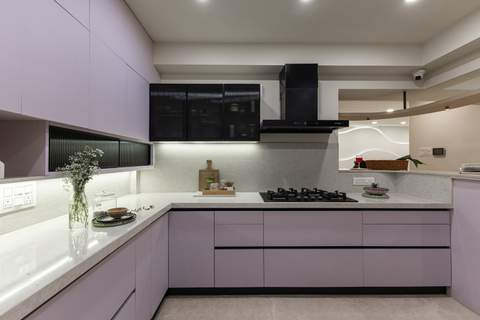
Seeing these materials together makes it easier to understand whether the palette feels balanced.
It can also help identify combinations that look good individually but don’t work well together.
For a residential project, material samples should ideally be viewed in the actual space and under the home’s lighting conditions before final approval.
18. Keep the Palette Consistent but Not Repetitive
A cohesive home does not mean using exactly the same material everywhere.
In fact, repeating the same finish excessively can make an interior feel monotonous.
Instead, think of the palette as a family of related materials.
For example:
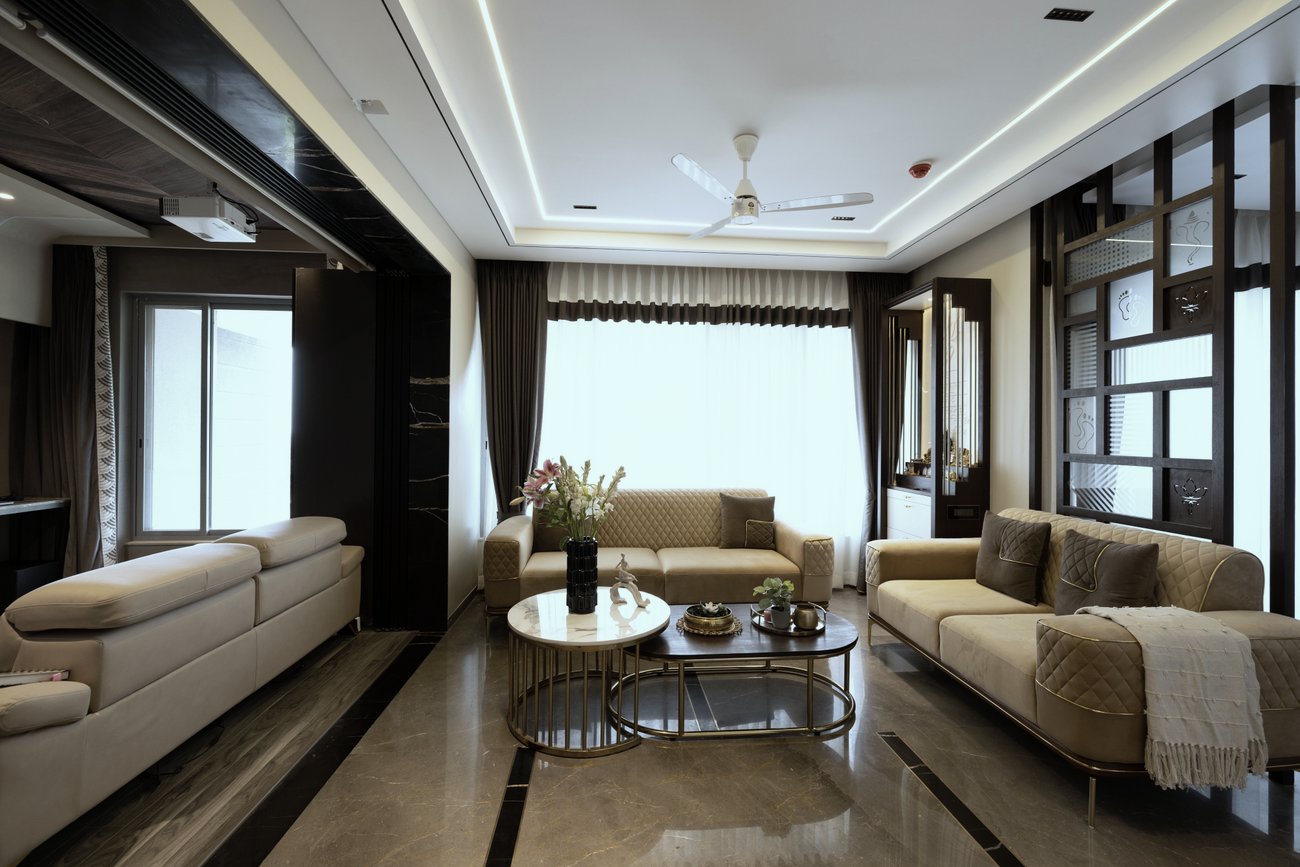
Base: warm white + beige
Primary material: natural wood
Secondary material: stone
Accent: brass
Texture: fabric + fluted panel
Contrast: muted dark finish
These materials can then be distributed differently throughout the home.
The living room might have more stone and wood, while the bedroom uses more fabric and softer finishes.
This creates variety while maintaining a common design language.
19. Material Palette and Personalisation
Ultimately, there is no single material palette that is right for every homeowner.
A family that enjoys a warm traditional home may prefer wood, brass and natural stone.
Another homeowner may prefer a minimalist apartment with neutral colours, glass and clean-lined furniture.
Someone else may want a more expressive home with artwork, colour and layered textures.
This is why personalised interior design is important.
The role of the designer is not simply to impose a style but to understand how the homeowner wants to live and translate that into a practical and visually cohesive interior.
Conclusion
A material palette is much more than a collection of attractive samples.
It is the foundation that connects colour, material, texture, furniture, lighting and architecture into one cohesive home.
Whether you are planning a new apartment, renovating an existing home, designing a 2 BHK or 3 BHK, or creating a larger villa or bungalow, thoughtful material selection can significantly influence the final character of the space.
For homeowners planning residential interior design in Pune, the process should ideally begin with understanding the home, its layout, natural light, lifestyle and functional requirements. The material palette can then be developed around these considerations.
At Ogling Inches, we approach residential interiors by bringing together architecture, interior design, space planning, materials, lighting and execution to create personalised homes.
Looking for a residential interior designer in Pune for your apartment, villa or bungalow?