
Best Materials for Kitchen Cabinets: 7 Options for Modern Homes
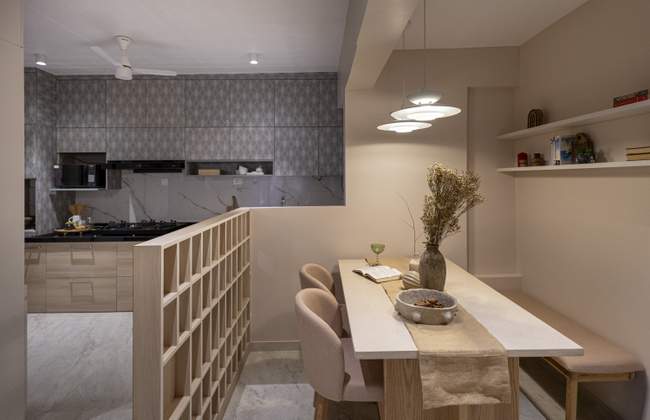
Choosing the right material for kitchen cabinets is one of the most important decisions when planning a modular kitchen. The material you select influences the kitchen’s appearance, durability, maintenance requirements and overall cost.
A well-designed kitchen should balance functionality with aesthetics. From the cabinet carcass and shutters to the surface finish, every component plays a role in creating a kitchen that suits your lifestyle.
If you are exploring the best materials for kitchen cabinets, options such as marine-grade plywood, pre-laminated boards, laminates and polyacrylic finishes offer different advantages depending on the application.
At Ogling Inches Design Architects, we believe that selecting the right materials is an essential part of creating a functional and visually cohesive home interior.
Here are seven kitchen cabinet material and finish options to consider when planning a modern kitchen.
1. Marine-Grade Plywood for Kitchen Cabinets

Plywood is widely used in kitchen cabinetry because of its layered construction and structural strength. Marine-grade plywood is designed for demanding moisture-related applications, but its suitability for kitchen cabinets depends on the product specifications and installation conditions.
It can be considered for cabinet carcasses and other components where strength and moisture resistance are important.
Benefits
Offers good structural strength when properly specified.
Suitable for cabinet construction and customised cabinetry.
Can support different decorative finishes.
Can be a practical option for kitchens where moisture exposure needs to be considered.
What to consider
Marine-grade plywood is not automatically waterproof under every condition. Edges, joints, cut-outs and exposed surfaces still need appropriate protection. Confirm the relevant grade, bonding standard and intended application before purchasing.
2. Pre-Laminated Boards
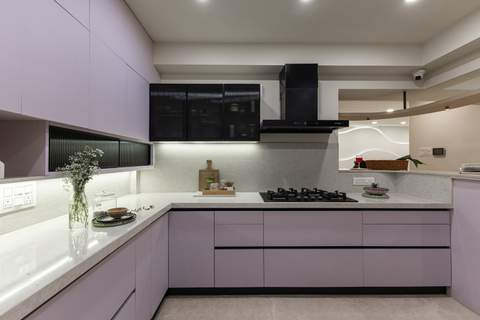
Pre-laminated boards are manufactured with a decorative surface already applied to the board. They are available in a variety of colours, textures and wood-inspired patterns.
These boards can be used for kitchen cabinets where the selected product is suitable for the expected moisture and usage conditions.
Benefits
Available in a wide range of finishes and patterns.
Can reduce the need for a separate decorative surface application.
Offers a consistent appearance across cabinet panels.
Can be suitable for contemporary and minimal kitchen designs.
What to consider
The core material, edge protection and surface quality are important. Standard pre-laminated boards should not be assumed to be suitable for areas exposed to frequent water contact. Check the manufacturer’s specifications before selecting them for kitchens.
3. Laminate Finish for Kitchen Cabinets
Laminates are decorative surface materials commonly used on kitchen cabinet shutters and other cabinetry components.
They are available in matte, glossy, textured and patterned finishes, making them a versatile choice for different kitchen styles.
Benefits
Wide range of colours and textures.
Available in finishes that complement contemporary and traditional interiors.
Generally easy to maintain when cleaned according to manufacturer recommendations.
Can be combined with different cabinet substrates.
What to consider
The quality of the laminate, adhesive, substrate and edge finishing influences the final result. Poor installation or prolonged moisture exposure can lead to surface damage or edge lifting.
Laminates are a practical option when you want flexibility in colour, appearance and design.
4. Polyacrylic Finish for Kitchen Cabinets
Polyacrylic is a decorative finish that can create a smooth, reflective appearance on kitchen cabinet shutters. It is an option for homeowners who prefer a glossy, contemporary kitchen.
The finish can be used to create a clean and polished look, particularly when paired with simple cabinet profiles and coordinated hardware.
Benefits
Creates a glossy, reflective surface.
Available in a variety of shades, depending on the product range.
Can complement modern and minimal kitchen designs.
Surface scratches may be repairable in some systems, depending on the product and damage.
What to consider
Polyacrylic finishes vary by manufacturer and construction. Do not assume every product is waterproof, heatproof, chemical-proof or termite-proof. Performance depends on the complete cabinet system, including the substrate, edge treatment and installation.
Ask the supplier about scratch resistance, cleaning requirements, repairability and warranty coverage before selecting the finish.
For homeowners seeking a glossy cabinet appearance, polyacrylic can be compared with other high-gloss finishes based on appearance, cost and maintenance.
5. Acrylic Finish for a High-Gloss Kitchen
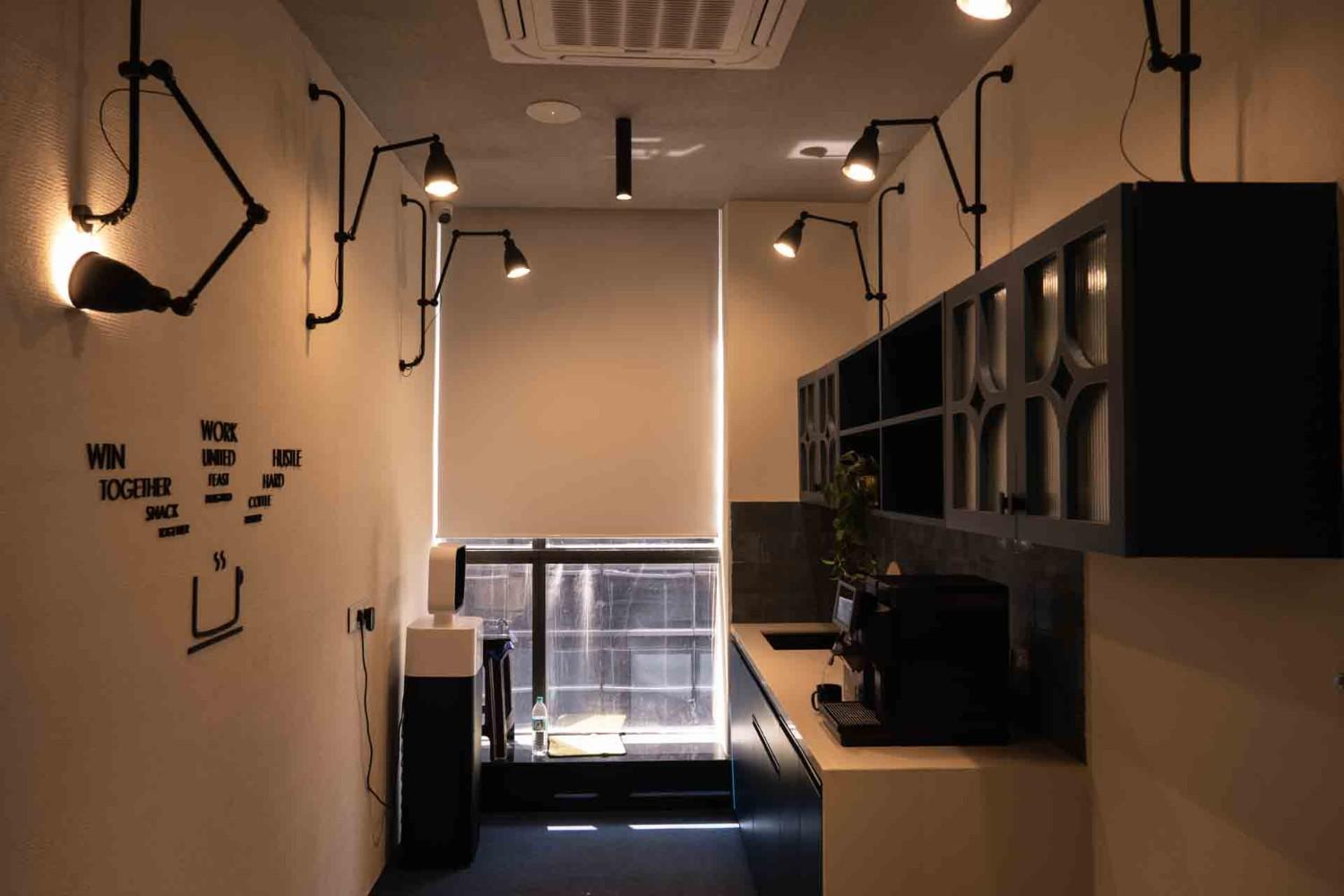
Acrylic finishes are another option for creating a smooth, glossy appearance on kitchen cabinet shutters.
They are often selected for contemporary kitchens where reflective surfaces help create a clean and visually striking look.
Benefits
Offers a polished, high-gloss appearance.
Available in a range of colours and finishes.
Can complement simple cabinet designs and modern hardware.
Creates a visually smooth surface when properly installed.
What to consider
Acrylic finishes may show fingerprints, smudges and surface scratches depending on the product and colour. Their cost and repair requirements vary. Compare the finish with polyacrylic and laminate options before making a decision.
6. Membrane Finish for Kitchen Cabinets
Membrane finishes are used to create a continuous surface over cabinet shutters, including designs with routed profiles or decorative detailing.
They can be suitable for kitchens where a uniform appearance and shaped shutter profiles are part of the design.
Benefits
Can create a consistent finish across shaped cabinet fronts.
Available in different colours and patterns.
Suitable for a range of contemporary and traditional design styles.
What to consider
Heat exposure, edge adhesion and product quality should be assessed carefully. The suitability of a membrane finish depends on the specific material, manufacturing process and installation conditions.
7. Solid Wood for Kitchen Cabinet Details
Solid wood can introduce natural texture, warmth and character into kitchen interiors. It is often used for selected cabinet elements, decorative details or specific cabinetry applications.
Benefits
Natural grain patterns create a distinctive appearance.
Can complement warm and contemporary kitchen designs.
Offers opportunities for customised detailing.
What to consider
Wood responds to changes in moisture and temperature, so appropriate species selection, treatment and finishing are important. Solid wood may also require more maintenance than some manufactured surface materials.
For many modern kitchens, wood can be combined with other cabinet materials to balance appearance, functionality and budget.
Kitchen Cabinet Materials: Quick Comparison
| Material or finish | Common use | Main consideration |
|---|---|---|
| Marine-grade plywood | Cabinet carcass and cabinetry components | Grade, moisture protection and edge treatment |
| Pre-laminated board | Cabinet panels and suitable cabinetry | Core material and moisture suitability |
| Laminate | Decorative cabinet surface | Surface quality and edge finishing |
| Polyacrylic | Glossy cabinet finish | Product specifications and repairability |
| Acrylic | High-gloss cabinet shutters | Fingerprints, scratches and cost |
| Membrane finish | Shaped cabinet shutters | Heat exposure and adhesion |
| Solid wood | Cabinet details and selected components | Moisture movement and maintenance |
How to Choose the Right Kitchen Cabinet Material
Before selecting a material, consider the following factors:
1. Moisture exposure
Kitchens involve water, steam and humidity. Choose materials and finishes suitable for their intended location, and pay attention to the protection of edges, joints and cut-outs.
2. Durability
Consider how frequently the kitchen will be used and how much wear the cabinets are likely to experience. Ask suppliers about product performance and warranty coverage.
3. Maintenance
Different finishes require different cleaning methods. Choose surfaces that fit your household’s cleaning routine and maintenance expectations.
4. Budget
Compare the complete installed cost rather than only the price of the board or finish. Include hardware, edge treatment, fabrication, installation and any additional protective measures.
5. Design and appearance
The finish should complement the kitchen’s flooring, countertop, backsplash and overall colour palette. A balanced combination of textures and colours can make the kitchen feel cohesive.
Conclusion
Choosing the best materials for kitchen cabinets involves balancing durability, appearance, maintenance and budget. Marine-grade plywood, pre-laminated boards, laminates, polyacrylic and other finishes each offer different possibilities for modern kitchen design.
The right choice depends on the cabinet’s application, the conditions in the kitchen and the overall design you want to achieve.
At Ogling Inches Design Architects, we believe that thoughtful material selection is essential to creating functional and visually cohesive home interiors.
If you are planning a new kitchen or a complete home renovation, explore our residential interior design services in Pune or contact our team to discuss your project.