
12 Apartment Interior Design Ideas for a Stylish and Functional Home
Designing an apartment involves more than choosing attractive furniture and decorative accessories. A well-planned home should make efficient use of available space while reflecting the lifestyle, preferences and everyday needs of the people living in it.
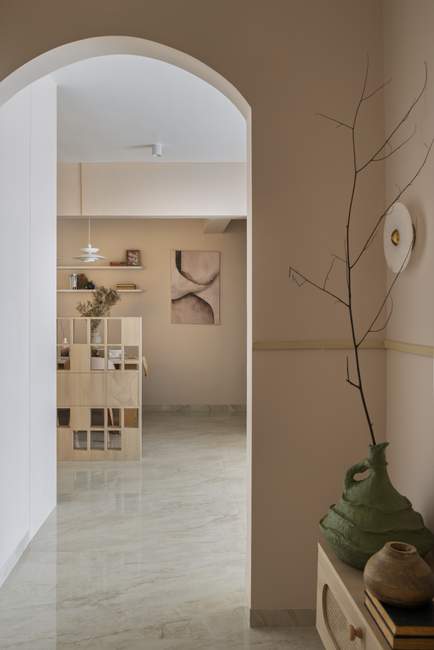
Whether you are moving into a new apartment or renovating an existing home, thoughtful apartment interior design can help create a comfortable, organised and visually cohesive living environment.
From practical furniture layouts and layered lighting to colours, textures and storage solutions, every design decision contributes to the overall experience of the space.
At Ogling Inches Design Architects, we believe that a successful residential interior balances aesthetics, functionality and personal expression.
Here are 12 apartment interior design ideas to help you plan a home that feels welcoming, practical and distinctly yours.
1. Start with Practical Space Planning
Practicality is one of the most important principles of apartment interior design. Furniture should fit comfortably within the room, circulation routes should remain clear, and every area should support the activities it is intended for.
Before purchasing furniture or selecting finishes, understand the dimensions of the apartment and determine how each room will be used.
How to plan your apartment layout
Measure the rooms, doors, windows and major architectural features.
Identify the furniture and storage requirements for each space.
Position furniture to maintain comfortable movement between areas.
Consider how doors, drawers and wardrobe shutters will open.
Plan the relationship between seating, dining and circulation areas.
Check that the proposed furniture sizes are appropriate for the room.
A scaled furniture layout can help you understand how different arrangements will work before making major purchases.
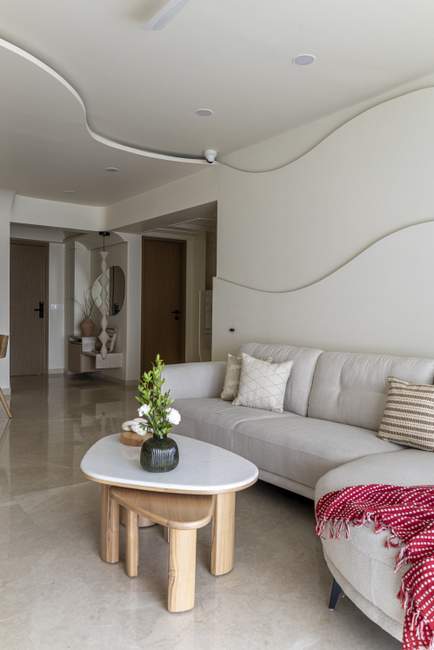
For apartment interiors, careful planning at the beginning can help avoid overcrowding and make better use of the available floor area.
2. Pay Attention to the Details
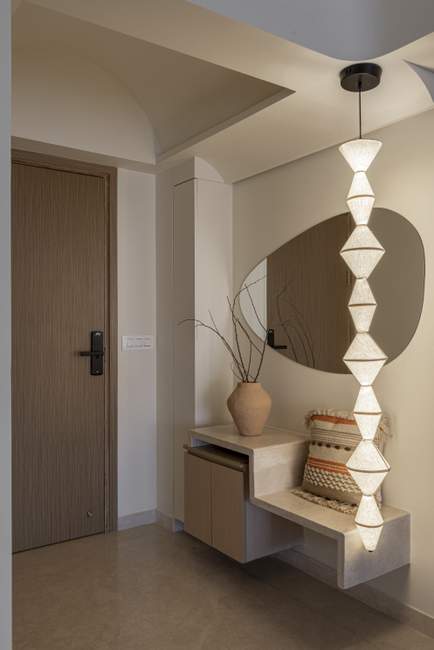
Small details can make a significant difference to the overall appearance of an apartment. The choice of hardware, fabric textures, lighting fixtures, decorative objects and material finishes can help bring the interior together.
A coordinated design does not require every element to match exactly. Instead, the aim is to create a relationship between colours, textures and materials.
Details that can enhance an apartment interior
Coordinate cushion colours with artwork or other decorative elements.
Use complementary materials for furniture, flooring and wall finishes.
Select lighting fixtures that suit the scale and style of the room.
Introduce decorative objects that reflect your personality.
Choose curtain fabrics and rugs that complement the overall palette.
Use consistent hardware finishes where appropriate.
Thoughtful detailing helps create a home that feels complete without relying on excessive decoration.
3. Create Functional Zones in the Living Room
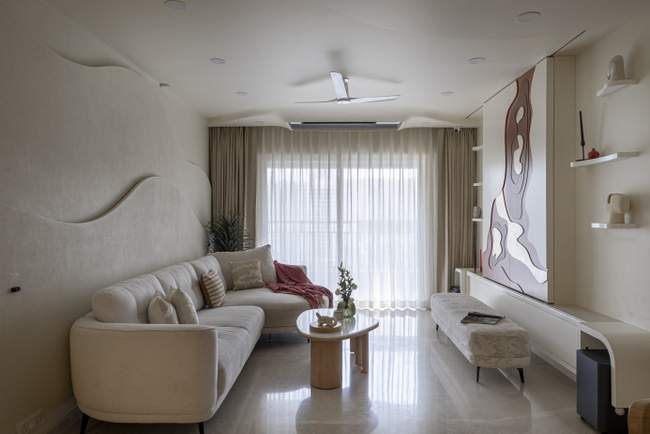
A large living room does not always need to be arranged around a single television wall. Depending on the room’s size and layout, it may be possible to create multiple functional zones.
These could include a main seating area, a reading corner, a conversation area or a compact workspace.
Ideas for creating living room zones
Arrange seating to encourage comfortable conversation.
Use rugs to visually define different areas.
Position furniture according to the room’s natural circulation paths.
Use lighting to distinguish reading or relaxation areas.
Choose furniture sizes that suit the proportions of each zone.
In compact apartments, flexible furniture and carefully planned layouts can help a single room accommodate several activities without feeling cluttered.
4. Layer Textures and Materials for a Richer Interior
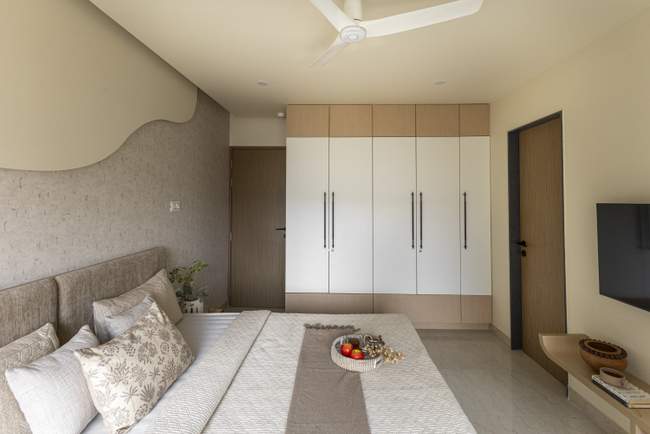
Texture adds depth and visual interest to an apartment. A combination of soft furnishings, natural materials, smooth finishes and carefully selected patterns can make a room feel more inviting.
For example, a neutral living room can be enhanced with a textured sofa, patterned cushions, a soft rug and wooden furniture.
How to layer textures
Combine materials such as wood, fabric, metal and stone-inspired finishes.
Introduce cushions and throws in complementary textures.
Use rugs to add softness and define seating areas.
Balance patterned fabrics with simpler surfaces.
Coordinate textures with the overall colour palette.
Layering should feel intentional. Too many competing patterns and finishes can make a small room appear visually busy.
5. Design a Welcoming Entrance
The entrance creates the first impression of your home. Even a compact foyer can become a functional and attractive part of an apartment with thoughtful planning.
Depending on the available space, an entrance may include a shoe cabinet, a small bench, a mirror or a decorative feature.
Apartment entrance design ideas
Install a compact shoe cabinet to keep footwear organised.
Add a mirror to create a sense of openness.
Use a wall-mounted shelf for keys and small everyday items.
Introduce a suitable light fixture to make the entrance welcoming.
Choose finishes that complement the rest of the apartment.
In smaller homes, built-in storage can help keep the entrance organised without taking up unnecessary floor space.
6. Choose Curtains and Window Treatments Carefully
Window treatments influence the appearance, privacy and light quality of an apartment. Curtains, blinds and Roman shades can be selected according to the room’s requirements and the style of the interior.
Light-filtering fabrics can soften daylight, while suitable blackout curtains can help control incoming light in bedrooms.
Tips for choosing window treatments
Consider the amount of daylight entering the room.
Select fabrics that complement the furniture and wall colours.
Use suitable window treatments for privacy.
Consider layered curtains where both filtered light and light blocking are required.
Ensure that curtain tracks and fittings suit the window dimensions.
Well-planned window treatments can enhance the overall design while supporting everyday comfort.
7. Use a Balanced Colour Palette
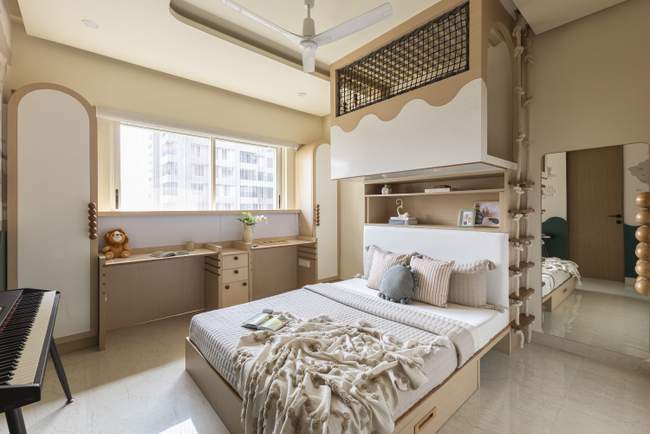
Colour plays an important role in how an apartment feels. A coordinated palette can create visual continuity between rooms and help different materials and furnishings work together.
Neutral colours such as beige, off-white and warm grey can provide a flexible base. Accent colours can then be introduced through artwork, cushions, rugs or selected furniture.
How to choose apartment colours
Start with a base palette for walls and larger surfaces.
Introduce accent colours through smaller elements.
Consider how natural and artificial lighting affects colour appearance.
Use related colours to create continuity between connected rooms.
Balance stronger colours with quieter surfaces.
A neutral palette is not the only option. Bold colours can also work well when their placement and proportions are carefully considered.
8. Use Rugs to Define Spaces and Add Character
Area rugs can introduce colour, texture and pattern while helping define functional areas within an apartment.
In an open-plan living and dining area, a rug can visually anchor the seating arrangement. In a bedroom, it can add softness around the bed.
Rug selection tips
Choose a rug size that relates to the furniture arrangement.
Use patterns and colours that complement the interior palette.
Consider materials that suit the room’s level of use.
Ensure that the rug does not obstruct doors or circulation routes.
Use rugs to visually connect furniture within a seating area.
The right rug can make a room feel more cohesive without requiring major changes to the interior.
9. Personalise Your Walls with Artwork and Displays
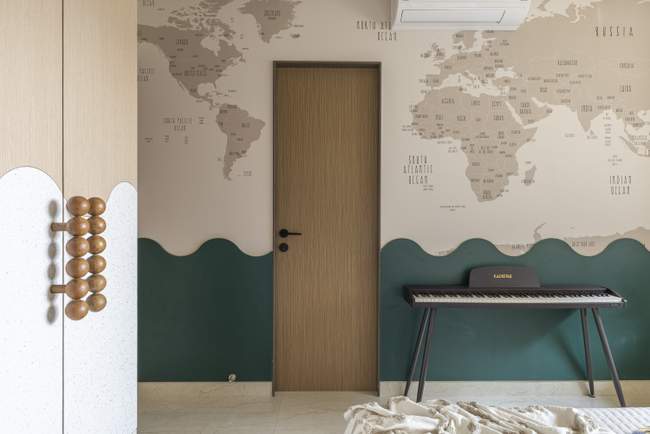
Artwork, photographs and decorative objects can make an apartment feel personal and distinctive.
A gallery wall can be created using a collection of prints, photographs or artworks arranged in a coordinated composition. Alternatively, a single large artwork can become the focal point of a living room or bedroom.
Wall decor ideas for apartments
Create a gallery wall using artwork in complementary frames.
Use a large artwork above a sofa or console where suitable.
Display personal photographs and meaningful objects.
Coordinate artwork with the room’s colour palette.
Avoid overcrowding walls with too many decorative elements.
The goal is to make the space feel personal while maintaining a balanced visual composition.
10. Create a Comfortable and Relaxing Bedroom
The bedroom should support rest and relaxation while providing practical storage and comfortable circulation.
A well-designed bedroom combines suitable furniture, soft furnishings, lighting and a calming material palette.
Bedroom interior design ideas
Choose a comfortable bed that fits the room’s proportions.
Plan wardrobes according to clothing and storage requirements.
Use bedside lighting suited to reading and relaxation.
Introduce soft bedding, curtains and rugs.
Consider an upholstered or wooden headboard as a focal point.
Keep frequently used items accessible without cluttering surfaces.
For more inspiration, explore our small bedroom design ideas.
11. Use Lighting to Enhance the Apartment
Lighting can transform the appearance and functionality of an apartment. A combination of general, task and accent lighting can help different areas support different activities.
Instead of relying on a single ceiling light in every room, consider how lighting can be layered according to the layout and use of the space.
Apartment lighting ideas
Ambient lighting: Provides general illumination throughout the room.
Task lighting: Supports specific activities such as reading, cooking or working.
Accent lighting: Highlights artwork, architectural features or selected decorative elements.
Bedside lighting: Provides convenient lighting for reading and relaxation.
Decorative lighting: Adds character through pendants, wall lights or other fixtures.
Lighting should be planned alongside furniture placement, electrical points and ceiling design.
12. Make Small Apartments Feel More Spacious
Small apartments benefit from careful space planning, appropriate furniture selection and a coordinated design approach.
The aim is not simply to make every room look larger, but to ensure that the available space feels comfortable and functions efficiently.
Small apartment interior design ideas
Choose furniture that suits the dimensions of the room.
Use multifunctional furniture where it meets everyday needs.
Consider wall-mounted storage to free up floor space.
Use mirrors thoughtfully to reflect light and create visual depth.
Maintain clear circulation routes.
Select a coordinated colour palette to create visual continuity.
Use sliding or space-efficient storage solutions where suitable.
Avoid unnecessary furniture and decorative clutter.
In studio apartments, furniture, rugs and carefully positioned shelving can help distinguish sleeping, living and working areas without creating a closed-off layout.
Plan Your Apartment as a Cohesive Home
A successful apartment interior should feel connected from one room to the next. Considering the home as a whole helps create a balanced relationship between colours, materials, furniture and lighting.
Before finalising your design, consider:
How each room will be used throughout the day.
Whether furniture and storage meet your everyday requirements.
How natural light and artificial lighting affect the interior.
Whether the materials and colours work together across rooms.
How the apartment can accommodate changing needs over time.
A cohesive design does not mean every room must look identical. Each room can have its own character while sharing a consistent design language.
Create Your Ideal Apartment with Ogling Inches
Thoughtful apartment interior design brings together practical planning, carefully selected materials, comfortable furnishings and personal details.
Whether you are designing a compact apartment, a contemporary 2BHK or a spacious 4BHK home, the goal is to create a space that reflects your lifestyle while making the most of the available area.
At Ogling Inches Design Architects, we provide residential interior design solutions that combine space planning, material selection, lighting and custom design.
Explore our residential interior design services in Pune to learn more about our approach.
Planning a new apartment or renovation? Contact Ogling Inches to discuss your home interior requirements.a