
11 Indian Hall Design Ideas for Modern Homes
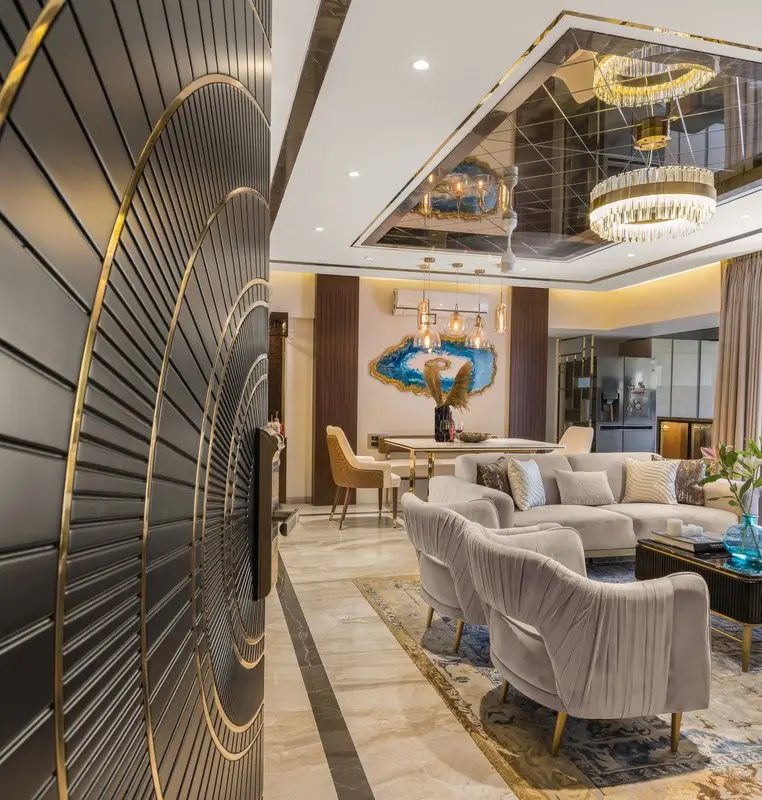
The hall or living room is one of the most important spaces in an Indian home. It is where family members spend time together, guests are welcomed and everyday life unfolds. A thoughtfully designed hall should reflect the personality of the household while offering comfort, functionality and a welcoming atmosphere.
From understated luxury and contemporary minimalism to handcrafted details and traditional accents, Indian hall design ideas offer a wide range of possibilities for creating a distinctive living space.
The right combination of furniture, colours, lighting, materials and layout can transform a hall into a space that feels both beautiful and practical.
At Ogling Inches Design Architects, we approach residential interior design by balancing aesthetics, functionality and the way people use their homes.
If you are planning a home interior project, explore our residential interior design services in Pune for thoughtfully designed living spaces.
11 Indian Hall Design Ideas to Transform Your Living Room
1. Understated Luxury with Warm Neutrals
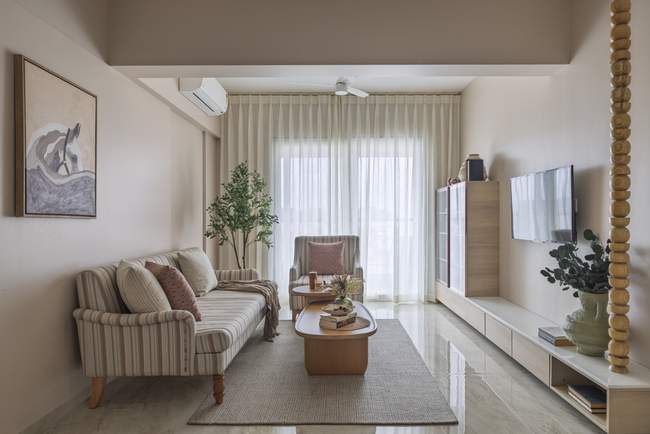
A refined hall design does not always need elaborate decoration. A balanced palette of off-white, beige, warm wood and subtle metallic accents can create an elegant and timeless atmosphere.
Consider combining:
- Neutral wall finishes with warm wooden elements.
- Comfortable sofas in soft, understated fabrics.
- Subtle gold or brass accents.
- Layered lighting with carefully selected decorative fixtures.
- Minimal accessories that complement the overall design.
This approach works well for homeowners who prefer a calm, sophisticated living room with a contemporary character.
2. A Luxurious Hall with Contrasting Colours
A combination of light and dark colours can add depth and character to a living room.
Dark wood finishes, rich upholstery and carefully placed lighting can create a dramatic visual effect, while lighter walls and soft furnishings help maintain balance.
Consider using a darker feature wall behind the television or seating area, complemented by lighter furniture and warm accent lighting.
The key is to use contrast selectively so that the hall feels inviting rather than visually heavy.
3. Spacious Minimalism with Elegant Finishes
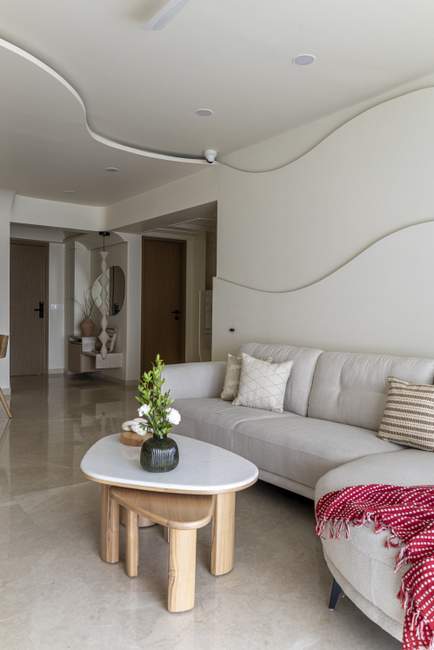
Minimalist hall design focuses on simplicity, clean lines and a carefully selected combination of materials.
A spacious living room can benefit from a restrained palette, uncluttered furniture arrangements and a few well-chosen decorative elements.
Useful design choices include:
- Simple furniture silhouettes.
- Neutral wall colours.
- Natural wood or stone-inspired finishes.
- Subtle textures instead of excessive decoration.
- Clear circulation around seating areas.
This approach can create a calm and visually cohesive interior while allowing architectural features and materials to stand out.
4. A Bright White Hall with a Welcoming Atmosphere
White and light-coloured interiors can make a living room feel bright and visually open.
Combine white walls with light upholstery, soft wood finishes and a few carefully selected accent colours to prevent the space from feeling flat.
For a comfortable Indian living room, consider a practical sofa arrangement, a compact coffee table and subtle decorative elements.
Layered lighting and textured fabrics can introduce warmth while maintaining the simplicity of a light-coloured interior.
5. Handcrafted Details and Rich Textures
Handcrafted elements can bring individuality and visual depth to a contemporary hall.
Traditional craftsmanship can be incorporated through carved wooden furniture, textured wall panels, decorative screens, handcrafted accessories or carefully selected artwork.
A restrained combination of materials can help these details stand out without overwhelming the room.
For example, a handcrafted wooden feature can be paired with neutral upholstery, soft lighting and contemporary furniture to create a balanced fusion of traditional and modern design.
6. A Comfortable Hall with Soft Colours and Natural Materials
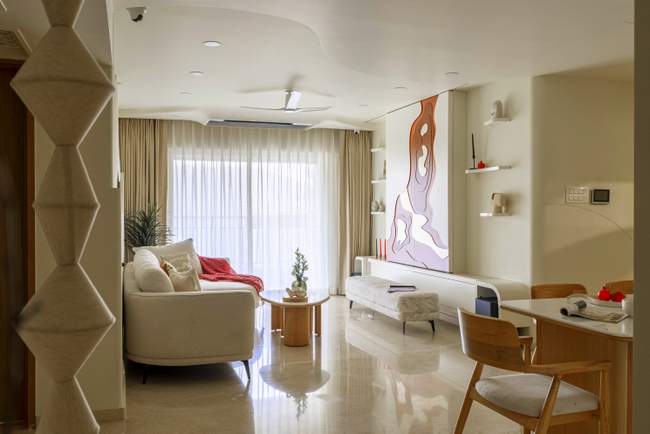
A welcoming hall should offer comfortable seating and a relaxed atmosphere.
Soft colours, natural textures and carefully selected furniture can help create a living room that feels warm and inviting.
Consider incorporating:
- Light-coloured sofas with comfortable upholstery.
- Wooden side tables and coffee tables.
- Soft curtains that complement the overall palette.
- Textured cushions and rugs.
- Warm ambient lighting.
This style works well for families who want a living room that feels elegant without being overly formal.
7. A Statement Hall with Decorative Lighting
Lighting can become a central design feature in a hall.
A chandelier, pendant light or sculptural ceiling fixture can draw attention to the main seating area while helping define the character of the room.
For a balanced lighting scheme, combine decorative fixtures with ambient lighting and focused illumination where needed.
Consider the ceiling height, room dimensions and furniture arrangement before selecting a statement fixture.
A well-planned lighting design can complement the architecture and enhance the overall atmosphere of the living room.
8. A Hall with Indoor Plants and Natural Elements
Indoor greenery can add colour, texture and a connection to nature.
Plants can be incorporated through floor-standing planters, small decorative pots or carefully designed display areas.
Pair greenery with natural wood, neutral finishes and soft lighting for a cohesive look.
When selecting plants, consider the available daylight, ventilation and maintenance requirements.
A thoughtfully placed plant or a small collection of greenery can complement the living room without taking up valuable circulation space.
9. A Contemporary Hall with Smart Storage
A modern hall should balance visual appeal with practical storage.
A well-designed television unit, concealed cabinets or a customised display shelf can help organise everyday belongings while contributing to the overall interior design.
Useful ideas include:
- Wall-mounted television units with integrated storage.
- Closed cabinets for everyday clutter.
- Floating shelves for selected decorative objects.
- Customised furniture that fits the available wall space.
- Concealed wiring for a cleaner appearance.
Storage should be planned according to the family’s needs and the available space, rather than added as an afterthought.
10. A Contemporary Hall with Playful Colour Accents
A contemporary living room can feel distinctive through the thoughtful use of colour.
A neutral base can be complemented by selected accents in blue, green, mustard, terracotta or other colours that suit the interior.
Consider introducing colour through:
- Sofa upholstery or accent chairs.
- Cushions and rugs.
- Artwork and decorative accessories.
- A feature wall.
- Selected furniture finishes.
The objective is to create visual interest while maintaining a cohesive relationship between the colours, materials and furniture.
11. A Light and Textured Hall with Contemporary Elegance
A light-coloured hall with subtle textures can create a calm and refined living environment.
Combine pastel shades, warm neutrals and natural materials with simple furniture and carefully selected decorative accents.
Textured wall finishes, soft curtains and understated lighting can add depth without making the room feel crowded.
This approach is suitable for homeowners who prefer a contemporary living room with a bright, relaxed and understated character.
How to Choose the Right Indian Hall Design for Your Home
The right hall design depends on the size of the room, the household’s lifestyle and the desired atmosphere.
Before finalising a design, consider the following factors.
1. Understand the Available Space
The dimensions and shape of the hall influence furniture selection, circulation and storage.
A compact living room may benefit from streamlined furniture and a simple layout, while a larger hall can accommodate more seating or a separate conversation area.
2. Plan Seating and Movement
Think about how many people typically use the hall and how they interact.
Arrange furniture to support conversation while maintaining clear movement between entrances, windows and adjoining rooms.
3. Select a Cohesive Colour Palette
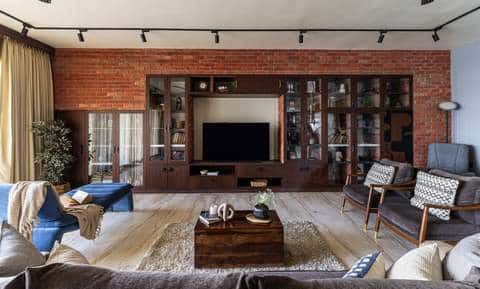
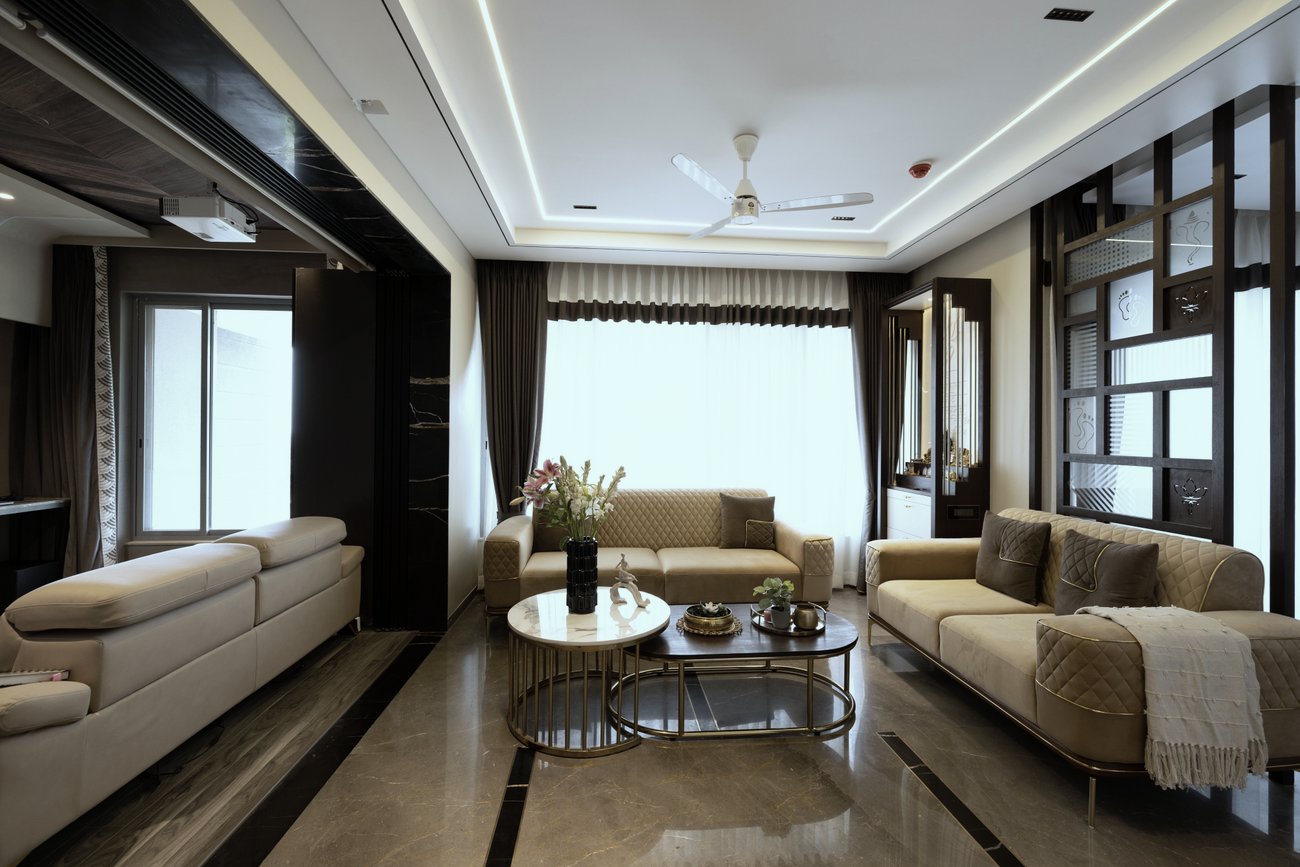
Choose a base palette that complements the flooring, wall finishes and furniture.
Accent colours can be introduced through artwork, textiles and decorative elements.
4. Balance Lighting and Materials
Combine natural daylight, ambient lighting and task or accent lighting where appropriate.
Coordinate wood, stone, fabrics and other finishes to create a consistent visual language.
5. Consider Storage and Maintenance
A living room should be easy to organise and maintain.
Select furniture and finishes that suit the household’s daily use, storage requirements and maintenance preferences.
Modern vs. Traditional Indian Hall Design
Indian living rooms can combine traditional and contemporary elements in different ways.
| Design approach | Common features |
|---|---|
| Modern hall design | Clean lines, simple furniture, restrained colours and streamlined storage |
| Traditional hall design | Decorative woodwork, handcrafted details, richer colours and traditional furniture |
| Contemporary Indian hall | A blend of modern layouts, Indian materials, selected traditional accents and personalised decor |
| Minimalist hall design | Simple forms, limited decoration, neutral colours and uncluttered spaces |
| Luxury hall design | Carefully selected materials, refined finishes, statement lighting and customised furniture |
A well-designed living room can combine elements from different styles while maintaining a consistent design language.
Why Professional Residential Interior Design Matters
A hall is connected to the rest of the home, so its design should complement the overall layout, materials and functional requirements.
Professional residential interior design can help coordinate furniture, lighting, storage, finishes and circulation into a cohesive plan.
For homeowners planning a new apartment or renovation in Pune, Ogling Inches Design Architects offers residential interior design services that consider both the visual character and practical needs of a home.
Conclusion: Create a Hall That Reflects Your Lifestyle
A thoughtfully designed hall brings together comfort, functionality and personal expression.
Whether you prefer understated luxury, contemporary minimalism, handcrafted details or a fusion of traditional and modern elements, the right combination of furniture, materials, lighting and colours can create a living room that feels distinctive and welcoming.
At Ogling Inches Design Architects, we believe that successful home interiors begin with understanding the people who live in them.
If you are planning a home interior project in Pune, explore our residential interior design services or contact our team to discuss your requirements.
Also Read: Best Small Bedroom Ideas
Explore: Color Harmony: Creating Stunning Palettes for Home Interiors