
Home Office Furniture Design: 9 Smart Ideas for Modern Workspaces
A well-designed workspace can make everyday work more comfortable, organised and enjoyable. Whether you are setting up a home office or planning a professional workspace, choosing the right furniture is an important part of creating a functional environment.
Home office furniture design involves more than selecting a desk and chair. It requires careful consideration of available space, ergonomics, lighting, storage, materials and the way the workspace will be used.
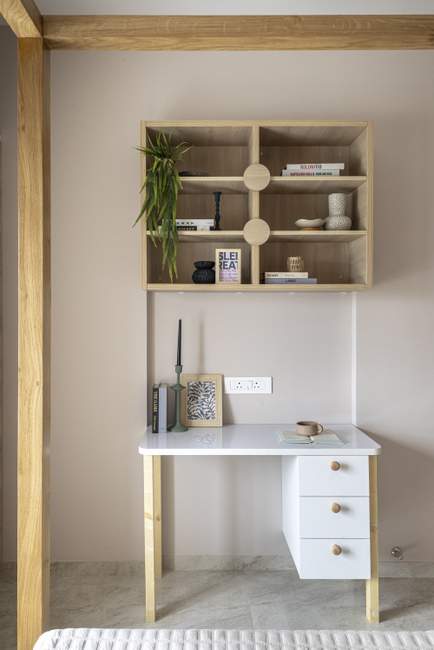
From compact work-from-home setups to dedicated home offices, the right furniture can help maximise space while creating a comfortable and visually appealing environment.
At Ogling Inches Design Architects, we approach workspace design by balancing functionality, aesthetics and the needs of the people who use it.
If you are planning a professional workspace, explore our office interior design services for thoughtfully planned office environments.
Must Read: Luxury Redefined: Interior Design Tips for High-End Jewelry Showrooms
9 Home Office Furniture Design Ideas for a Functional Workspace
1. Plan the Available Space Before Choosing Furniture
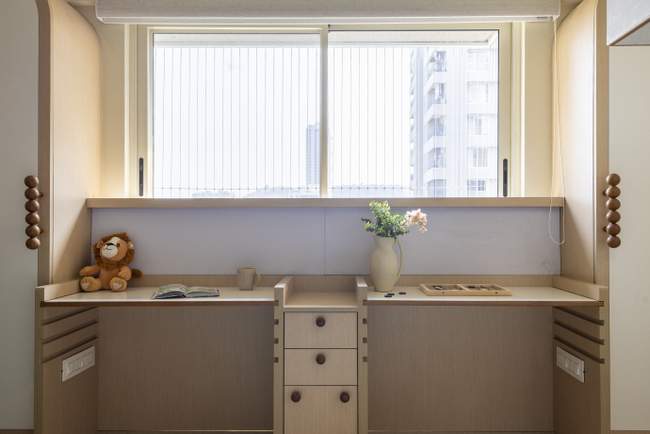
Every workspace has different requirements. A dedicated room offers more flexibility, while a small apartment may require a compact desk integrated into a bedroom, living room or unused corner.
Before purchasing furniture, consider the room’s dimensions, natural light, electrical points, circulation space and storage requirements.
For compact workspaces, wall-mounted desks, built-in workstations and vertical storage can help make efficient use of available space.
For larger home offices, a separate work zone with a generous desk and additional storage can create a more organised environment.
Good space planning ensures that furniture fits comfortably without making the room feel crowded.
2. Choose an Ergonomic Desk and Chair
Comfort should be a priority when selecting home office furniture. A desk and chair that suit the user’s body and working habits can help support a comfortable working posture.
Consider the following while selecting furniture:
-
A desk with sufficient surface area for a computer, documents and everyday work essentials.
-
A chair with adjustable height and suitable back support.
-
Adequate legroom beneath the desk.
-
A monitor positioned at a comfortable viewing height.
-
Easy access to frequently used items.
For people who work for extended periods, adjustable chairs and sit-stand desks may offer additional flexibility.
The goal is to create a workspace that supports comfortable and practical daily use.
3. Use Smart Storage to Keep the Workspace Organised
Clutter can make a workspace feel cramped and difficult to use. Thoughtful storage solutions help keep essential items accessible while maintaining a clean visual appearance.
Consider incorporating:
-
Drawers integrated into the desk.
-
Wall-mounted shelves for books and accessories.
-
Closed cabinets for files and equipment.
-
Cable management systems.
-
Vertical storage for compact rooms.
Built-in storage can be particularly useful when designing a home office that needs to blend with the rest of the interior.
The right combination of open and closed storage keeps the workspace organised without compromising its visual appeal.
4. Make the Most of Natural and Artificial Lighting
Lighting plays an important role in the comfort and usability of a workspace.
Whenever possible, position the desk near a window to benefit from natural daylight while avoiding excessive glare on computer screens.
Combine natural light with layered artificial lighting:
-
Ambient lighting for overall illumination.
-
Task lighting for reading and detailed work.
-
Adjustable desk lamps for focused activities.
-
Indirect lighting to create a comfortable atmosphere.
The placement of lighting should complement the desk layout and the user’s working habits.
For more workspace planning ideas, explore our office interior design and planning guide.
5. Introduce Colours, Materials and Textures
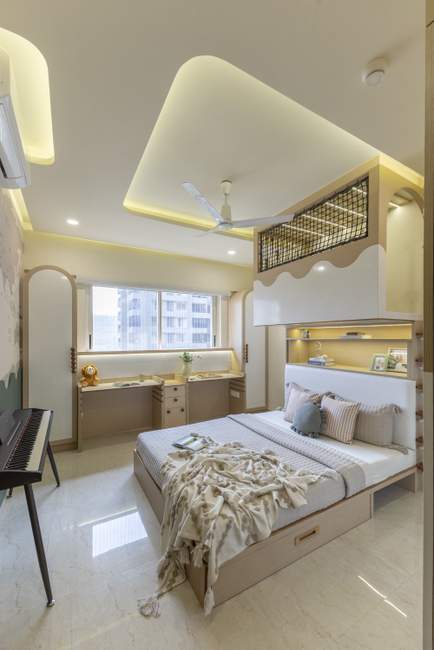
Furniture finishes and colour combinations influence the overall character of a workspace.
Light wood finishes, neutral colours and simple forms can create a calm and understated environment. Richer wood tones, textured surfaces and carefully selected accent colours can add warmth and personality.
Consider combining:
-
Wood or wood-finish furniture with neutral walls.
-
Metal details with clean, contemporary furniture.
-
Upholstered seating with textured fabrics.
-
Accent colours that complement the surrounding interiors.
The objective is to create a visually cohesive workspace that reflects personal preferences while remaining practical for everyday use.
6. Create a Workspace That Reflects Your Identity
A home office can reflect your professional identity as well as your personal style.
Artwork, books, photographs, accessories and carefully selected finishes can help create a distinctive environment.
For a business owner or entrepreneur, the workspace may also need to accommodate video meetings, client discussions and professional presentations.
In such cases, consider the background visible during video calls, the placement of lighting and the organisation of work materials.
A thoughtfully designed workspace can feel personal without becoming visually cluttered.
7. Keep Cables and Technology Neatly Organised
Computers, monitors, chargers and other electronic equipment can create unnecessary clutter if cables are not planned properly.
A well-designed workstation should include practical cable management from the beginning.
Useful solutions include:
-
Cable trays beneath the desk.
-
Built-in cable access points.
-
Concealed power sockets where practical.
-
Cable sleeves and organisers.
-
Dedicated storage for chargers and accessories.
Planning electrical points and cable routes during the furniture design stage can help create a cleaner and more functional workspace.
8. Include a Comfortable Breakout or Reading Area
If space permits, a home office can include a small seating area for reading, taking breaks or informal conversations.
A compact lounge chair, a small side table or a comfortable bench can help create a change of setting within the room.
In a larger home office, a separate seating corner can also be useful for reviewing documents or conducting informal meetings.
For smaller spaces, a single comfortable chair may be sufficient.
The furniture should complement the primary workstation rather than reduce the space needed for everyday work.
9. Balance Creative Design with Functionality
A home office can have a distinctive design without compromising its practical purpose.
Consider a floating desk, a custom bookshelf, a textured feature wall, minimalist lighting or a carefully designed furniture arrangement.
However, every design element should serve a purpose and fit the available space.
A successful workspace combines visual appeal with practical considerations such as comfortable seating, efficient storage, adequate lighting and easy movement.
The best furniture design is one that supports the way you actually work.
Benefits of Thoughtful Home Office Furniture Design
A carefully planned home office can offer several practical advantages:
Better use of available space
Compact desks, integrated storage and built-in furniture can help make small rooms more functional.
Greater everyday comfort
Furniture selected to suit the user and the task can support a more comfortable working environment.
Improved organisation
Dedicated storage and cable management help keep essential items accessible and reduce visual clutter.
A more personalised environment
Colours, materials and furniture styles can reflect individual preferences and professional identity.
Flexibility for changing needs
Modular furniture, adjustable desks and movable storage can make it easier to adapt the workspace over time.
What Furniture Should a Home Office Have?
The furniture required depends on the size of the room, the nature of the work and the available budget.
| Furniture | Purpose |
|---|---|
| Work desk | Provides a dedicated surface for daily tasks |
| Ergonomic chair | Supports comfortable seating |
| Storage cabinets and drawers | Organise documents and work essentials |
| Shelves or bookcases | Store books, files and accessories |
| Task lighting | Provides focused illumination |
| Cable management accessories | Keeps wires organised |
| Additional seating | Creates a space for reading or informal discussions |
For a compact home office, a desk, comfortable chair, task light and a practical storage solution may be sufficient. Larger workspaces can accommodate additional furniture based on the user’s needs.
Home Office Furniture Design vs. Professional Office Interior Design
Home offices and commercial offices share several design principles, including ergonomics, lighting, storage and efficient space planning. However, their requirements can differ.
A home office may need to fit into an existing residential interior, while a professional office must also consider team size, meeting spaces, circulation, technology and the organisation’s operational requirements.
For businesses planning a dedicated workplace, Ogling Inches’ commercial office interior design services focus on creating functional and thoughtfully designed professional environments.
You can also explore our broader commercial interior design services for other types of commercial spaces.
How to Choose the Right Furniture for Your Workspace
Before finalising your furniture, consider these essential questions:
-
How much space is available for the workstation?
-
What type of work will be carried out?
-
How many hours will the desk be used each day?
-
What storage and technology requirements need to be accommodated?
-
Does the furniture complement the existing interior?
-
Can the layout adapt to future requirements?
Answering these questions can help you select furniture that is practical, comfortable and visually cohesive.
Conclusion: Create a Workspace That Works for You
A well-designed home office brings together thoughtful furniture selection, comfortable ergonomics, efficient storage and a cohesive design language.
Whether you are creating a compact work-from-home corner or a dedicated home office, the right furniture can help make the space more organised and functional.
At Ogling Inches Design Architects, we believe that good design begins with understanding how people use a space.
If you are planning a professional workspace in Pune, explore our office interior design services or get in touch with our team to discuss your project.