
Living Room Colour Ideas for Indian Homes: How to Choose the Right Palette
Choosing the right colour for your living room can be surprisingly difficult.
There are hundreds of shades of white, beige, grey, blue, green and other colours available, and the shade that looks perfect in a showroom may look completely different once it is applied to your home.
The reason is simple: colour does not exist independently of the space around it.
Natural light, artificial lighting, flooring, furniture, curtains, wall finishes, room size and the overall interior design all influence how a colour appears.
This is particularly important when designing apartments and homes in Pune, where living rooms can have very different orientations, window sizes, layouts and amounts of natural light.
Whether you are designing a new 2 BHK, 3 BHK, 4 BHK, apartment, villa or bungalow, the right living room colour palette should work with the complete interior rather than being selected as an isolated paint shade.
Here are some living room colour ideas and principles that can help you create a balanced and personalised home.
Why Colour Matters in Residential Interior Design
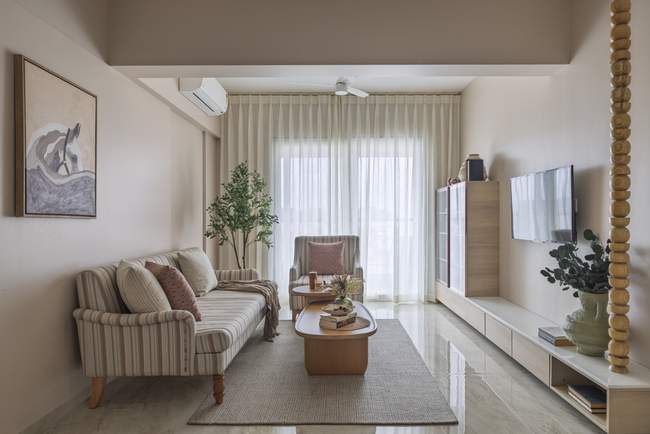
The living room is often one of the most frequently used spaces in a home.
It may be where the family spends time together, where guests are entertained, or where people relax at the end of the day.
The colour palette therefore needs to support the atmosphere you want to create.
A cooler palette can create a calmer and lighter visual environment, while warmer colours can make a room feel more intimate and inviting.
But colour also affects how we perceive the size and proportions of a room.
Lighter shades can make a compact room feel more open, while darker colours can add depth and drama when used thoughtfully.
This is why colour selection is an important part of residential interior design in Pune, rather than simply the final step after furniture selection.
1. Ocean Blue for a Calm Living Room
Blue is one of the most versatile colours for living rooms.
Lighter blue shades can create a fresh and airy atmosphere, while deeper blues can introduce more drama and richness.
Blue can be combined with:
White
Cream
Beige
Natural wood
Brass
Grey
Soft yellow accents
A pale blue wall with warm wood furniture can create a relaxed contemporary living room.
A deeper navy or teal can be used more selectively as an accent wall, upholstery or decorative element.
The amount of natural light should be considered before selecting the exact shade.
A colour that looks bright in a well-lit showroom may appear considerably darker in a room with limited daylight.
2. Green Shades for a Natural Living Room

Green can bring a connection with nature into residential interiors.
There is a wide range of green shades, from subtle sage and mint to deeper forest green, olive and teal.
Softer greens
Sage, mint and muted green can work well in minimalist and contemporary homes.
They can be combined with:
Off-white
Beige
Light wood
Natural fabrics
Warm lighting
Deeper greens
Forest green, olive and deep teal can create a richer and more dramatic atmosphere.
These shades can work particularly well when balanced with neutral furniture and carefully planned lighting.
Green does not necessarily need to be used on the walls.
Indoor plants, upholstery, artwork, cushions and rugs can introduce the colour without making it the dominant feature.
3. White for a Timeless Living Room
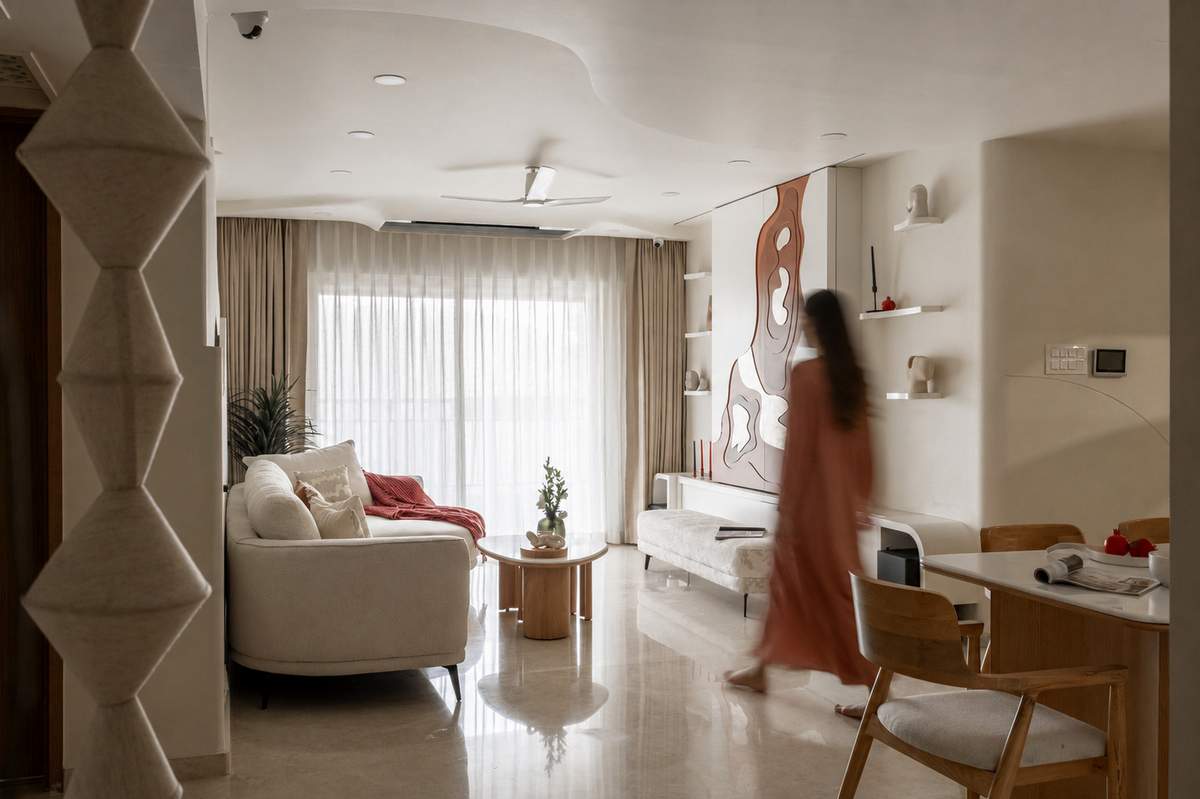
White remains one of the most flexible colours for residential interiors.
However, choosing white is not as simple as choosing the brightest white on a colour card.
There are:
Cool whites
Warm whites
Neutral whites
Off-whites
Creamy whites
Grey-based whites
The amount and direction of natural light can significantly change how a white wall appears.
For this reason, always test paint samples in the actual room before finalising the colour.
A cool white can feel crisp and contemporary, while a warm white can create a softer and more comfortable environment.
For a premium home interior, white can also provide a quiet background for:
Artwork
Natural stone
Wood
Statement furniture
Decorative lighting
Textured wall finishes
4. Beige and Greige for Warm Contemporary Interiors
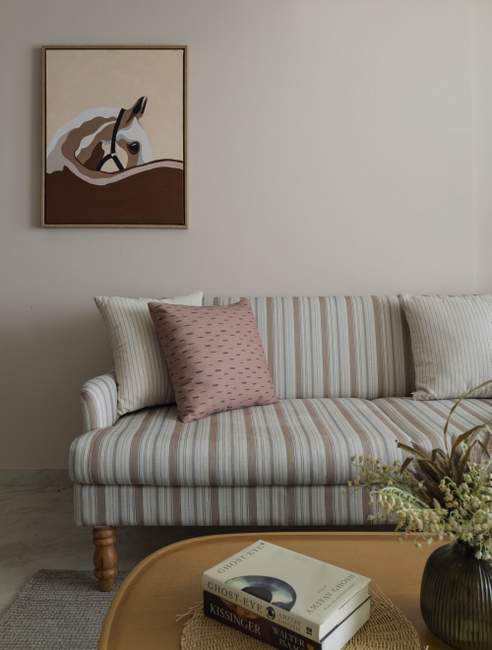
Beige and greige have become particularly useful colours for contemporary residential interiors.
Greige sits between grey and beige and can provide the sophistication of grey while retaining some of the warmth of beige.
These colours work well with:
Natural wood
Stone
Brass
Cream upholstery
Textured fabrics
Black accents
Warm lighting
For Pune apartments, warm neutrals can be particularly useful when the objective is to create a calm, sophisticated and timeless living room.
Instead of making every surface beige, introduce variation through texture.
For example:
Warm beige wall + natural wood + stone + textured fabric + brass
can create considerably more depth than using several similar paint shades.
5. Grey for a Sophisticated Living Room
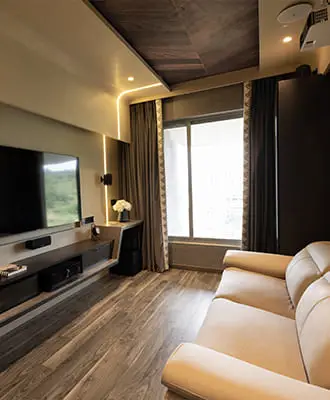
Grey remains a versatile choice for living-room interiors.
A lighter grey can create a soft neutral background, while deeper grey can create a more dramatic atmosphere.
Grey works particularly well with:
Blue
Green
White
Natural wood
Brass
Black
Colourful artwork
A grey wall can provide a sophisticated background for furniture and artwork without competing with them.
However, too much cool grey can make a room feel cold.
If using grey extensively, warm wood, textured fabrics and warm lighting can help introduce balance.
6. Black as an Accent Colour
Black can add depth and contrast to a living room.
It can be introduced through:
TV units
Window frames
Metal furniture
Lighting
Shelving
Decorative objects
Artwork
A feature ceiling
Using black does not necessarily mean painting an entire wall black.
In a smaller apartment, controlled use of black can create contrast without making the room feel visually heavy.
A combination such as:
Off-white + warm wood + black metal + soft lighting
can create a contemporary residential interior with strong visual contrast.
7. Lavender and Purple for a Soft Accent
Lavender and muted purple can add personality to a living room without requiring a very strong colour scheme.
Rather than using purple throughout the room, consider introducing it through:
Cushions
Curtains
Artwork
Upholstery
Rugs
Decorative accessories
A subtle accent wall
Soft lavender can work particularly well with:
White
Soft grey
Beige
Natural wood
Brass
The key is to select a shade that works with the existing material palette.
8. Red and Terracotta for a Bold Living Room
Red is one of the strongest colours in the palette.
Instead of using a bright primary red across large surfaces, consider richer shades such as:
Terracotta
Brick red
Rust
Burnt red
Deep crimson
These colours can introduce warmth and character into a living room.
They can be paired with:
Beige
Cream
Warm white
Natural wood
Olive green
Brass
Terracotta can also be introduced through artwork, cushions, rugs or furniture instead of paint.
For a contemporary Indian home, earthy red and terracotta tones can provide warmth without overwhelming the room.
9. Warm Neutrals for a Timeless Home
If you want a living room that remains flexible over time, warm neutrals can provide a strong foundation.
Useful neutral shades include:
Warm white
Ivory
Beige
Taupe
Greige
Sand
Soft cream
Mushroom
These colours can then be combined with stronger accents.
For example:
Warm white + oak + beige + olive
or
Greige + walnut + cream + brass
can create a sophisticated residential palette without relying on a single strong colour.
This approach can be particularly effective for homeowners investing in premium residential interiors in Pune who want a home that feels contemporary but does not become dated quickly.
10. Consider Natural Light Before Choosing Paint
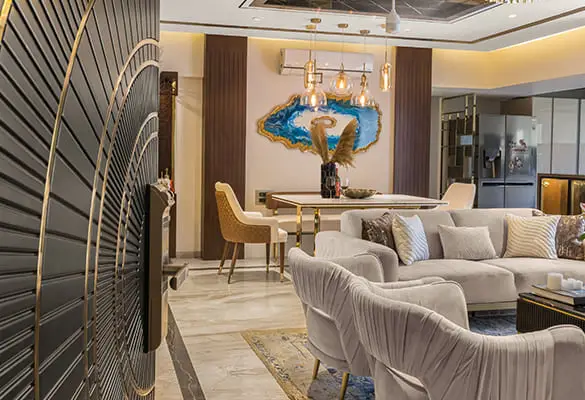
This is one of the most important principles in choosing a living room colour.
A paint shade can appear completely different depending on:
Direction of the windows
Amount of daylight
Time of day
Artificial lighting
Flooring
Furniture
Nearby colours
A north-facing or shaded room may require a different approach from a bright room with strong afternoon sunlight.
Similarly, a large window can make a colour appear considerably lighter during the day than it appears under evening lighting.
This is why professional home interior designers in Pune often evaluate colours with actual material samples and lighting conditions rather than relying only on a digital image or showroom display.
11. Test Paint Samples Before Finalising the Colour
Never select an important living-room colour based solely on a small colour card.
Prepare larger samples and observe them at different times of day.
Check the colour:
In morning daylight
In afternoon light
At sunset
Under artificial lighting
Against flooring
Against furniture
Alongside curtains and fabrics
This can reveal undertones that are difficult to notice on a small sample.
A colour that initially appears neutral may reveal blue, yellow, pink or grey undertones once it covers a larger wall.
12. Match Colour With Furniture and Materials
Paint should not be selected independently from the rest of the interior.
Consider the major elements together:
Wall colour + flooring + sofa + curtains + wood finish + lighting + artwork
For example, a warm beige wall may work beautifully with oak furniture and cream upholstery.
The same beige could look completely different beside dark walnut and charcoal fabric.
This is why the material palette should be developed as part of the overall living room interior design.
13. Use the 60–30–10 Principle Carefully
A useful starting point for developing a colour palette is to divide the room into three levels:
60% — Dominant colour
This could be walls, flooring or large architectural surfaces.
30% — Secondary colour
This can come from furniture, curtains, cabinetry or larger decorative surfaces.
10% — Accent colour
This can be introduced through artwork, cushions, accessories, lighting or smaller furniture pieces.
This is not a rigid rule.
A good residential interior designer may intentionally break the ratio depending on the architecture, furniture and desired atmosphere.
The purpose is simply to prevent too many competing colours from appearing at the same visual level.
14. Combine Colour With Texture
Colour becomes more interesting when combined with different textures.
For example:
Beige + wood + linen + stone
will feel different from simply using four beige surfaces.
Texture can come from:
Wood veneer
Natural stone
Fluted panels
Fabric
Rugs
Curtains
Wallpaper
Textured paint
Cane
Metal
Glass
For a luxury residential interior, this layering can create depth without requiring excessive colour.
15. Think About the Ceiling Too

The ceiling does not always have to remain plain white.
A subtle variation can create a different atmosphere.
Depending on the room, consider:
Warm white
Soft beige
A darker accent
Wood elements
Concealed lighting
Cove lighting
Architectural ceiling details
A darker ceiling can create a more intimate atmosphere, but it needs to be evaluated carefully according to the room height, natural light and overall material palette.
In a compact apartment, a lighter ceiling can often help maintain a sense of visual openness.
16. Use Colour to Define Different Zones
Modern homes often combine several functions within one open space.
The living room may connect directly to the dining area, foyer and kitchen.
Instead of physically separating these spaces, colour and materials can help create visual zones.
For example:
Living room — warm neutral
Dining area — deeper accent
Foyer — textured wall
Kitchen — complementary cabinetry colour
The colours do not need to be identical.
They simply need to belong to a coordinated palette.
This creates visual continuity throughout the home.
17. Colour Ideas for 2 BHK Living Rooms
A compact 2 BHK apartment can benefit from a relatively controlled palette.
Consider combinations such as:
Warm contemporary
Warm white + beige + light wood
Fresh and calm
Soft blue + white + oak
Natural
Sage green + cream + wood
Sophisticated
Greige + walnut + brass
Using fewer major colours can help a compact living room feel visually organised.
Storage, furniture proportions and circulation should also be considered alongside the colour palette.
18. Colour Ideas for 3 BHK Living Rooms
A 3 BHK provides more flexibility for creating stronger contrasts.
For example:
Living room: Beige + walnut + brass
Dining: Warm white + stone + olive
Bedrooms: Softer variations of the main palette
The objective is to create individual personalities while maintaining continuity throughout the home.
This approach is also useful when the home contains several rooms with different amounts of natural light.
19. Colour Ideas for 4 BHK Homes, Villas and Bungalows
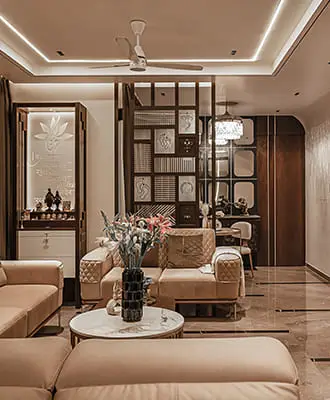
Larger homes can accommodate greater material and colour variation.
A villa or bungalow may allow for:
Large feature walls
Natural stone
Statement artwork
Stronger colour contrasts
Custom furniture
Architectural ceilings
Sculptural lighting
Larger areas of wood
More defined colour zones
However, a larger home does not necessarily need more colours.
Often, a restrained palette combined with richer materials can create a more sophisticated result.
20. Don’t Follow Colour Trends Blindly
Interior colour trends change.
What is fashionable today may feel dated several years later.
Instead of choosing a colour simply because it is currently trending, consider whether it suits:
Your home’s architecture
Natural light
Furniture
Lifestyle
Maintenance requirements
Personal preferences
Long-term use
Current Pune-focused design content is increasingly discussing warm neutrals, terracotta, sage and richer natural tones, but the more useful principle is to adapt those palettes to the actual home rather than copy a trend literally.
A timeless interior can still incorporate current colours through easily replaceable elements such as artwork, cushions, rugs and accessories.
21. Colour and Lighting Should Be Designed Together
One of the biggest mistakes in residential interiors is choosing the paint colour first and considering lighting later.
Lighting can change the appearance of colour significantly.
Consider three layers:
Ambient lighting
Provides general illumination.
Task lighting
Supports activities such as reading or working.
Accent lighting
Highlights artwork, materials, architectural features or decorative objects.
Warm lighting can make warm colours feel richer and can soften neutral interiors.
Cooler lighting can make certain colours appear crisper.
Therefore, the final colour should ideally be evaluated with the actual lighting scheme.
22. Your Living Room Colour Should Reflect How You Live
There is no universally perfect living-room colour.
A family that spends most evenings together may prefer a warm, comfortable palette.
Someone who uses the living room mainly for entertaining may want a more dramatic combination.
A minimalist homeowner may prefer a restrained neutral palette.
Another homeowner may want artwork and colour to become the focus of the room.
This is why personalised residential interior design is more useful than copying a room from Pinterest or Instagram.
The colour palette should respond to the people who actually live in the home.
How Residential Interior Designers in Pune Approach Colour Selection
For homeowners searching for residential interior designers in Pune, colour selection is only one part of the overall interior-design process.
A professional residential interior project brings together:
Space planning
Furniture planning
Colour selection
Material selection
Lighting
Storage
Custom furniture
Kitchen and wardrobe design
Artwork and décor
3D visualisation
Working drawings
Site coordination
Execution
The colour palette should support all of these elements.
At Ogling Inches Design Architects, we approach residential interiors as a complete design system rather than treating wall colour as an isolated decision.
For an apartment, villa or bungalow, the palette is developed around the home’s architecture, natural light, furniture, materials, lifestyle and overall design direction.
Final Thoughts
Choosing a living room colour is not simply about finding the most attractive shade on a colour card.
The best colour palette is one that works with the light, architecture, furniture, materials, lifestyle and atmosphere of the home.
Blue can create calm.
Green can introduce a natural quality.
White can provide a timeless foundation.
Beige and greige can create warmth.
Grey can provide sophistication.
Black can add contrast.
Terracotta and richer colours can introduce personality.
But the most successful residential interiors rarely depend on colour alone.
They combine colour with texture, materials, furniture and lighting to create a home that feels cohesive and personal.
If you are planning a new apartment, renovating your existing home or looking for residential interior designers in Pune for a 2 BHK, 3 BHK, 4 BHK, villa or bungalow, the colour palette should be developed as part of the complete interior design process.
At Ogling Inches Design Architects, we bring together architecture, residential interior design, space planning, materials, lighting and execution to create personalised homes across Pune.
Looking for residential interior designers in Pune for your home? Explore our Residential Interior Design Services in Pune to understand our approach to complete home interiors.